
Harnessing Content for Lead Generation in the Digital Age
In the dynamic digital marketplace, attracting potential customers is just the start. The true challenge is transforming that interest into a tangible lead. Understanding content marketing for lead generation is not just an advantage; it is essential for business growth and sustained success. Modern marketing requires a sophisticated, multi-faceted approach. This aligns with evolving consumer behaviors and technological advancements. Businesses seek effective, sustainable, and scalable strategies to convert readers into prospects and loyal customers. This analysis dissects key trends shaping the future of content marketing for lead generation. It provides a roadmap for transforming content into a powerful lead-generating engine.
The Evolving Landscape of Content Marketing for Lead Generation
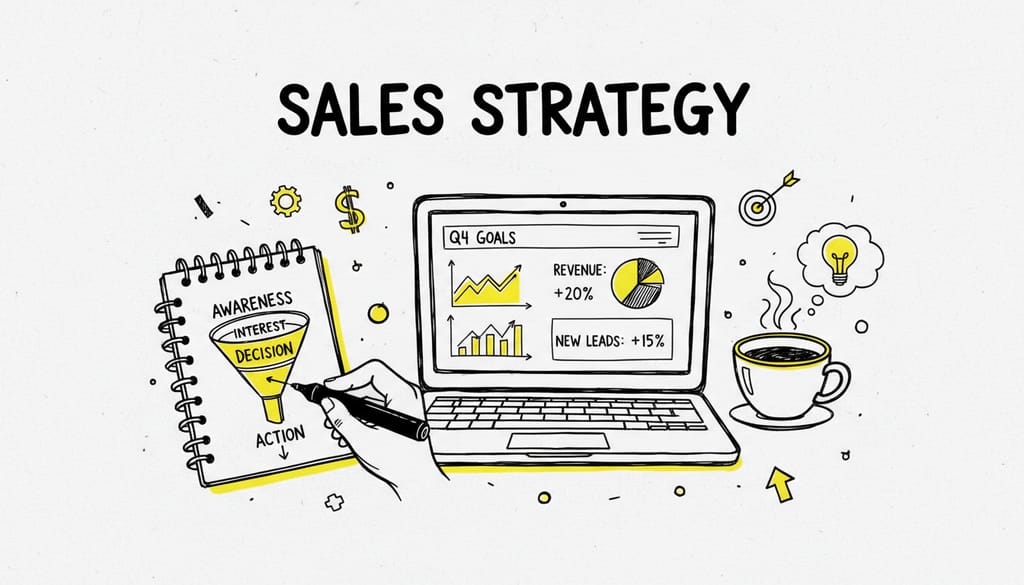
For a decade, the core principles of content marketing for lead generation remained consistent. The strategy centers on a value exchange. Businesses provide valuable, relevant content to attract and retain an audience. In return, the audience shares contact information, signaling interest.
Traditional funnels involve top-of-funnel (TOFU) content like blog posts for organic traffic. Visitors convert on middle-of-funnel (MOFU) offers such as ebooks or webinars, using lead capture forms. This model, while effective, faces saturation and declining efficiency. Information overload makes users more selective.
Key pillars of the current state include:
- SEO-Driven Blog Content: Primary driver of organic traffic. Businesses research keywords to create optimized content for search queries.
- Gated Content: Classic lead magnets like ebooks and white papers, requiring an email for access.
- Email Nurturing Sequences: Automated workflows educate leads, guiding them toward a purchase.
- Social Media Distribution: Content shared across platforms to expand reach and drive website traffic.
This traditional model faces challenges. Competition makes ranking for keywords harder. Consumers are wary of sharing personal information, leading to form fatigue. Manual effort for research, creation, and distribution is immense, especially for small businesses.
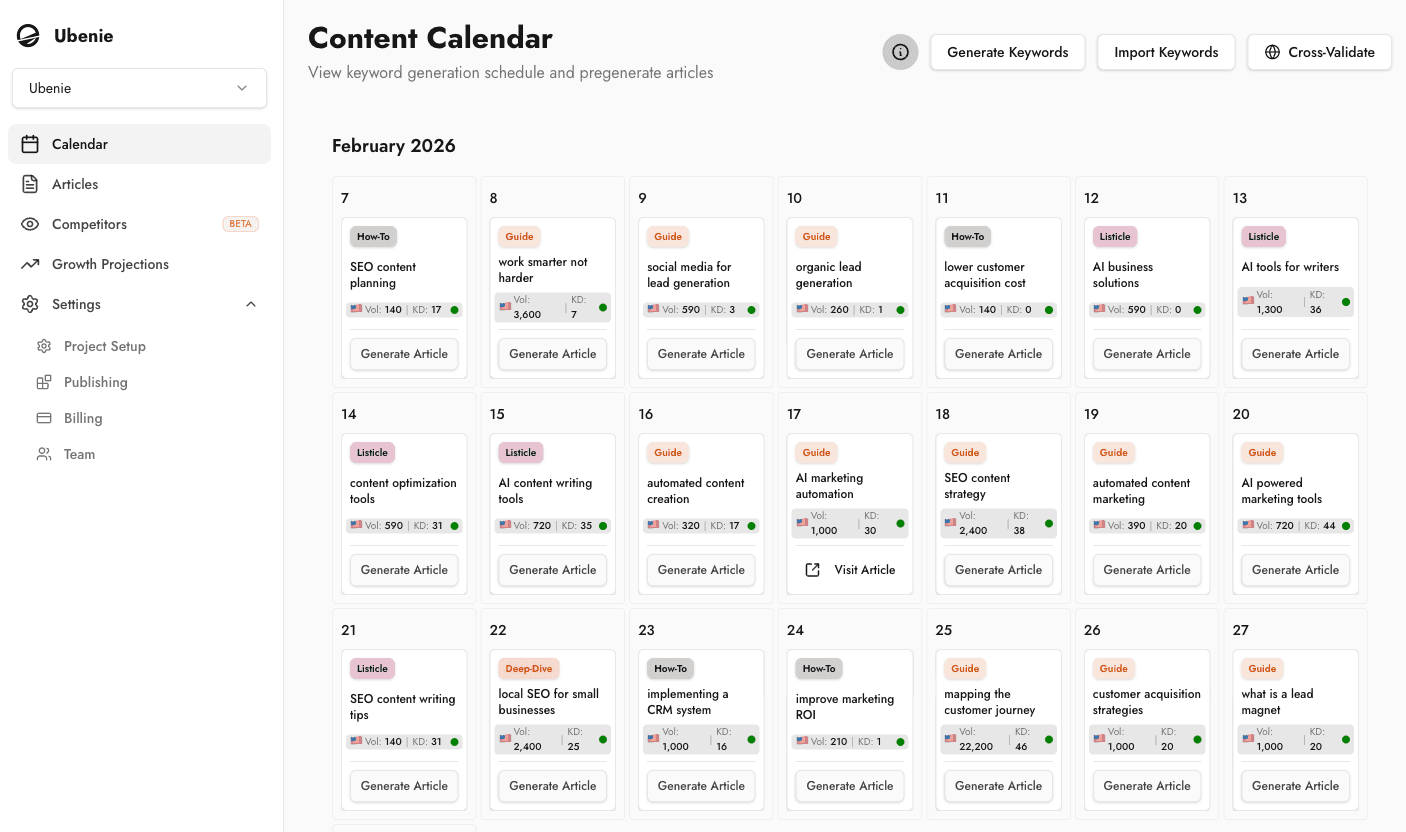
Consider a small e-commerce business. It needs extensive keyword research, competitor analysis, long-form articles, lead magnet design, and email campaign management. This is a full-time endeavor. Ubenie addresses this pain point. It automates the labor-intensive part: researching and creating SEO-optimized blog content. AI identifies low-competition, high-potential keywords and generates rank-ready articles. This lets businesses build their TOFU engine on autopilot. They can then focus on compelling offers and lead nurturing.
Here's a comparison of traditional versus modern workflows:
| Feature | Traditional Manual Approach | Modern Automated Approach (e.g., Ubenie) |
|---|---|---|
| Keyword Research | Hours of manual research with multiple tools. | AI-driven analysis identifies high-potential, low-competition keywords automatically. |
| Content Creation | Weeks of writing, editing, and formatting a single long-form article. | AI generates an optimized, human-like draft in minutes. |
| SEO Optimization | Manual checklist: meta tags, internal links, keyword density. | Built-in optimization based on real-time competitor analysis and SEO best practices. |
| Scalability | Limited by team size and budget; often 1-4 articles per month. | Scales to dozens of high-quality articles monthly without increasing headcount. |
| Focus | 80% on content production, 20% on strategy and lead nurturing. | 20% on content approval, 80% on strategy and lead nurturing. |
Future trends build on this foundation. They leverage technology for more intelligent, personalized, and efficient processes.
Trend 1: AI-Powered Hyper-Personalization for Stronger Leads
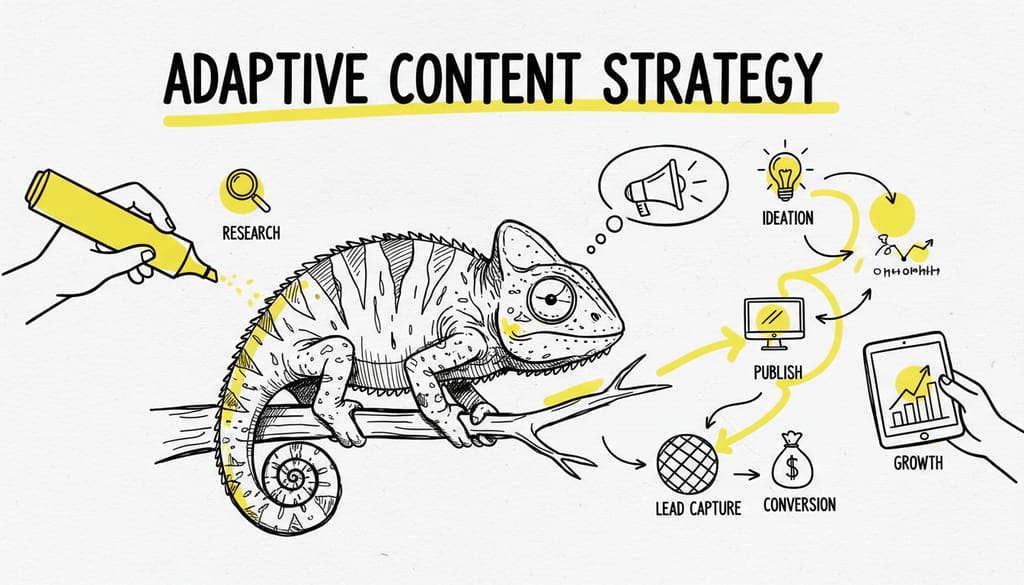
Personalization is now an expectation. Generic, one-size-fits-all content is losing effectiveness. Hyper-personalization is the new frontier. Content is dynamically tailored to individual behavior, preferences, and customer journey stage. Artificial intelligence powers this revolution.
AI algorithms analyze vast data: browsing history, purchases, engagement, demographics. This creates a detailed user profile. Marketers deliver supremely relevant content precisely when needed. Companies using AI for lead generation have seen increases in leads up to 50% and reduced costs by 40-60% AI lead generation statistics. This highlights AI's efficiency and effectiveness.
Imagine a visitor seeing content with dynamically adjusted examples, Call to Action (CTA), or imagery based on their industry. This level of personalization builds powerful connections. It significantly increases conversion likelihood.
The Impact of Hyper-Personalization
This trend dramatically increases lead quality. When content directly addresses a prospect's pain points, leads are more informed and engaged. They are also more likely to convert. The focus shifts from lead quantity to quality.
Hyper-personalization also combats content saturation. In an information-rich world, only content that feels tailor-made cuts through. This requires deep audience understanding. Data analysis and detailed buyer personas achieve this.
Platforms like Ubenie support this trend at a foundational level. By identifying niche, long-tail keywords, Ubenie helps businesses create content for specific questions. This is passive personalization. Content so specific naturally resonates with a small, highly motivated audience segment. For example, Ubenie might target "content marketing for plumbers in Texas" instead of "content marketing." This creates an article that feels tailor-made. It drastically increases its value and lead-generation potential.
Trend 2: Interactive Content as a Lead Magnet Powerhouse

Static content like ebooks is still valuable. However, its effectiveness as a lead magnet is decreasing due to "form fatigue." Users are hesitant to exchange emails for a PDF they might never read. Interactive content offers a solution. Quizzes, calculators, assessments, polls, and interactive infographics transform content marketing for lead generation by providing immediate, personalized value.
Interactive content works on reciprocity. You offer something tangible and personalized before asking for an email. Examples include:
- ROI Calculators: A SaaS company could estimate potential savings for businesses using their software. Users enter their email for detailed results.
- Maturity Assessments: A marketing agency might create a quiz to assess a company's "digital marketing maturity." Results provide insights, positioning the agency as an expert, with a CTA for consultation.
- Product Configurators: An e-commerce site could let users build custom products. Capturing emails saves configurations or sends quotes.
This approach offers several advantages. First, it's more engaging. Users are active participants, not passive consumers. Second, collected data is invaluable. Quiz or calculator answers provide deep insights into needs, challenges, and budgets. This allows for highly effective lead segmentation and follow-up. This is more powerful than merely knowing someone downloaded a generic ebook.
Tools like Outgrow or Typeform build interactive experiences. However, they need promotion. SEO-optimized blog content from Ubenie serves as the perfect top-of-funnel entry point. It drives traffic to these interactive lead magnets. An article on "How to Budget for a Kitchen Remodel" can embed a "Kitchen Remodel Cost Calculator" as its primary CTA. This creates a powerful combination for attracting and converting leads.
Trend 3: The Shift to Long-Form, Value-Driven Content for Authority
In an age of short attention spans, long-form content is thriving. Data confirms this. Search engines, like Google, prioritize expertise, authoritativeness, and trustworthiness (E-A-T). Comprehensive, in-depth articles covering a topic exhaustively are more likely to rank well. They attract high-quality traffic.
This trend moves beyond short, 500-word blog posts. It embraces "pillar pages" or "ultimate guides" of 3,000 words or more. These act as central hubs for specific topics, internally linking to detailed sub-topics. This strategy isn't just about word count; it's about delivering overwhelming value.
Creating the definitive resource on a subject achieves key lead generation objectives:
- Build Authority and Trust: Users find all information in one place, viewing your brand as a trusted authority. This trust is vital when requesting contact information.
- Improve SEO Performance: Long-form content attracts more Backlinks. These links from other websites are powerful ranking signals. They increase your overall Domain Authority. Such content also naturally ranks for a wider variety of long-tail keywords.
- Generate Higher Quality Leads: A visitor spending 15 minutes on a detailed guide is more invested than one who skims a short article. They become a much warmer lead upon conversion.
Producing this content requires significant investment: deep research, expert writing, and careful optimization. Understanding Content Marketing vs SEO: A Case Study on Driving Real Growth is crucial. They must work in harmony. A Content Gap Analysis identifies valuable topics your competitors rank for but you haven't covered. Manually, this is tedious with tools like Ahrefs or Semrush. Yet, it is critical for finding authority-building opportunities.
Automation again makes this trend accessible. An AI content platform like Ubenie generates comprehensive, well-structured first drafts of long-form articles, including SEO elements. This reduces creation time from weeks to hours. Even small teams can build authoritative pillar pages and compete effectively.
Note: Be aware of Keyword Cannibalization with long-form content. This occurs when multiple pages target the same core keyword, confusing search engines. A proper pillar page strategy uses one main page for a broad topic and cluster pages for sub-topics, all linking back to the pillar.
Trend 4: Integrating Video Content and Podcasting for Wider Reach
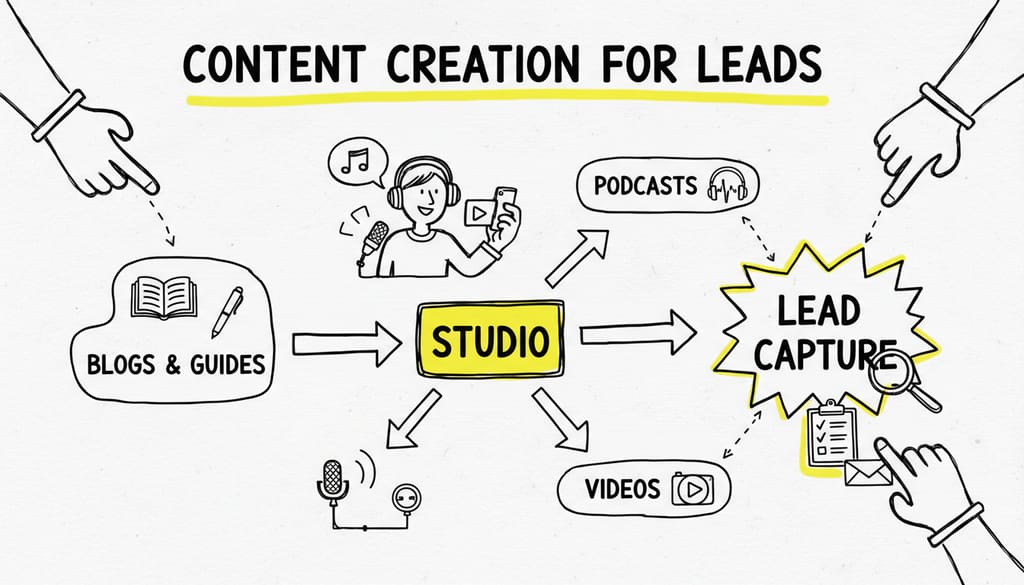
Text-based content is SEO's bedrock, but demand for video and audio is surging. Integrating these into your content marketing for lead generation strategy is now essential. Consumers often prefer watching or listening. Platforms like YouTube and Spotify are powerful search engines.
View these formats as extensions, not separate channels. Your long-form articles are perfect source material. This content repurposing maximizes ROI on initial investment.
Here’s how it works:
- Blog Post to Video: A 3,000-word guide on "Choosing the Right CRM for Your Business" can become a 10-minute YouTube video. The video description links to the article and a lead magnet, like a "CRM Comparison Checklist."
- Webinar to Podcast: Record a live webinar. Strip the audio and publish it as a podcast episode. Show notes provide resource links and a CTA to subscribe.
- Series of Articles to an Audio Series: A cluster of blog posts on a central theme can be narrated. Release it as a limited-run podcast series, establishing deep topic authority.
This multi-format approach reaches a wider audience based on content preferences. A user might discover your brand via a podcast, then read an article, then convert on a webinar. It creates multiple entry points into your lead generation funnel.
Embedding videos on blog pages significantly improves user engagement metrics like time on page. This sends positive signals to Google. Different content formats support and enhance each other symbiotically. For small businesses, understanding A Complete Guide to Content Marketing for Small Business is crucial for leveraging integrated strategies without feeling overwhelmed.
Trend 5: Conversational Marketing and Chatbots for Real-Time Engagement

Traditional lead generation is often passive. Users fill out a form and wait for follow-up. Conversational marketing reverses this. It engages users in real-time, personalized conversations via chatbots and live chat. This trend meets buyers when and where they are ready, 24/7.
Modern AI-powered chatbots, like those from Drift or Intercom, are sophisticated. They understand user intent, answer complex questions, qualify leads, and book meetings. Lead generation statistics show live chat is a preferred communication channel for many. It leads to higher conversion rates than traditional forms.
Content fuels chatbots. Your entire content library serves as their knowledge base. A well-structured website with comprehensive blog posts, FAQs, and product pages allows chatbots to pull answers. They provide immediate value. For example:
- On a pricing page, a user might ask, "Does this integrate with Salesforce?"
- The chatbot, using a knowledge base article, instantly replies, "Yes, it does! Here's a link to our guide on setting up the Salesforce integration. Would you like to speak with a specialist about your specific needs?"
This seamless interaction answers the question, provides an asset, and offers a clear next step. All this happens in seconds. It shortens the sales cycle and improves user experience. Content quality directly impacts conversational marketing quality. A chatbot is only as smart as its information. A robust content engine, powered by consistent article generation from Ubenie, ensures your chatbot always has the right answers to qualify and convert leads effectively.
Predictions: The Future of Lead Generation Content
Looking ahead, technology and content integration will deepen. Marketing, sales, and customer service lines will blur. Content will be the connective tissue. Here are predictions for the future of content marketing for lead generation.
Programmatic SEO and Content Generation: Creating content for thousands of specific, long-tail keywords will automate. Tools will identify, generate, and even publish content with minimal human oversight. This focuses on transactional or informational queries answered formulaically. It will be essential for e-commerce and large-scale sites.
Predictive Lead Scoring: AI will move beyond personalization to prediction. Analyzing content consumption patterns, AI models will predict likely buyers. They will identify the next content needed to move prospects towards a decision. Sales teams can then focus on highest-potential leads.
The Rise of Generative Multimedia: AI will generate more than text. AI-powered video, image, and audio generation are emerging. Imagine generating a unique, personalized video explanation for every website visitor, tailored to their industry and interests.
Enhanced Search Experiences (AI Overviews & Featured Snippets): Search engines will increasingly provide direct answers. Creating content optimized for Featured Snippets and other rich results is critical. Using Structured Data will become standard. The goal: be the source of truth for AI-driven search answers.
Success Tip: Future winning businesses will embrace automation for scale and efficiency. They will focus human creativity on strategy, brand storytelling, and genuine customer relationships. Technology should augment, not replace, human connection.
What These Trends Mean for Your Business Growth
Navigating these trends can feel overwhelming. Yet, the core message is empowering. Technology and AI level the playing field. Small and medium-sized businesses can now execute sophisticated content marketing for lead generation strategies. These were once exclusive to large corporations. Distinguishing between the broader field and this specific discipline is important, as explained in Content Marketing vs Digital Marketing: What's the Difference?.
Shift your mindset from manual execution to strategic oversight. Your role isn't writing every blog post or designing every lead magnet. Instead, architect the system that does it for you. This means:
- Embracing Automation: Use tools like Ubenie for heavy lifting in SEO research and content creation. This frees your time for higher-level strategy. Focus on ideal customer profiles, refining brand voice, and building audience relationships.
- Focusing on Value: Every content piece, be it a long-form article, interactive calculator, or video tutorial, must provide genuine value. Solve audience problems and build trust.
- Creating an Integrated System: Your content should not silo. Blog posts feed social media, provide video scripts, power chatbots, and drive traffic to interactive tools. Each element works cohesively in a lead generation machine.
For a small business owner, this means you can transition from full-time marketer to business owner. Ubenie ensures a consistent flow of high-quality, SEO-optimized content. It attracts organic traffic and fills your funnel. This automated foundation allows experimentation with other trends. Create a simple interactive quiz or start a podcast, all without sacrificing core organic growth drivers.
The future of SEO content writing and content marketing for lead generation is smarter, not harder. It uses technology to scale what works. It personalizes customer experience. It builds a sustainable engine for growth.
Conclusion: Mastering Content for Future Lead Generation
The landscape of content marketing for lead generation is rapidly evolving. AI advancements, shifting consumer expectations, and digital noise drive this change. The traditional playbook no longer suffices. The future belongs to those embracing a dynamic, integrated, and intelligent approach.
From AI-powered hyper-personalization to engaging interactive content and authoritative long-form articles, trends point to one goal. Provide immense value personally and seamlessly. Integrating video and conversational marketing creates multiple touchpoints. These cater to diverse preferences, building a resilient lead generation ecosystem.
For small businesses and startups, these trends offer unprecedented opportunity. Automation platforms like Ubenie democratize high-quality, SEO-optimized content at scale. They handle foundational work. Entrepreneurs can focus on strategy and customer engagement. Understanding these trends and leveraging the right tools helps any business build a powerful content engine. This engine attracts traffic and converts it into valuable leads, fueling sustainable growth.
Frequently Asked Questions
How long does it take to see leads from content marketing?
Content marketing is a long-term strategic investment. While initial traffic may appear within weeks, a significant and steady flow of leads typically requires 6 to 9 months of consistent effort. This timeline accounts for content creation, search engine indexing, and building domain authority over time. Patience and persistence are key to realizing its full potential.
What is the most important metric to track for content marketing lead generation?
Beyond vanity metrics like traffic and rankings, the Content-to-Lead Conversion Rate is paramount. This metric reveals the percentage of content consumers who ultimately become leads. Tracking it helps identify which topics and formats effectively drive actual business results. It guides optimization efforts to maximize lead generation efficiency.
How often should I be publishing new content?
Consistency trumps sheer frequency. For most small businesses, aiming for 1-2 high-quality, in-depth articles per week is an excellent target. Prioritize creating one amazing piece of long-form content over several short, low-value posts. Quality and relevance to your audience's needs will always drive better results than quantity.
Can I do content marketing without a blog?
While a blog is the most common and effective central hub for content marketing, it's not the sole option. You could focus on a robust YouTube channel, a dedicated podcast, or a comprehensive newsletter. However, a blog provides the best foundation for SEO and offers an owned platform to which all other channels can drive traffic. Most successful strategies integrate a blog as their core.
What's the difference between a lead and a marketing qualified lead (MQL)?
A lead is any individual who has provided their contact information, showing some initial interest. A Marketing Qualified Lead (MQL) is a lead vetted by the marketing team. MQLs are deemed more likely to convert into customers based on specific behaviors, such as visiting pricing pages, downloading bottom-of-funnel content, or aligning with the ideal customer profile. This distinction helps sales teams prioritize the most promising prospects.
Tired of struggling with SEO and content marketing? Automate your traffic growth and focus on what you do best. Visit our website to discover how we can help you achieve higher search rankings and more leads.
Article created using Ubenie.