
Unlocking Growth: The Integrated Power of SEO and Content
According to industry reports, 91% of marketers plan to increase content output annually. Still, many struggle with scalable processes. This challenge often fuels the persistent debate: content marketing vs SEO.
Businesses frequently ask which strategy drives better ROI or more traffic. This framing implies a false choice between two vital disciplines. However, SEO and content marketing are complementary components of a single, powerful growth engine.
SEO provides the strategic map, showing what your audience searches for. Content marketing then delivers valuable answers and solutions. True digital success requires both working in concert, guiding your audience directly to your brand.
Background
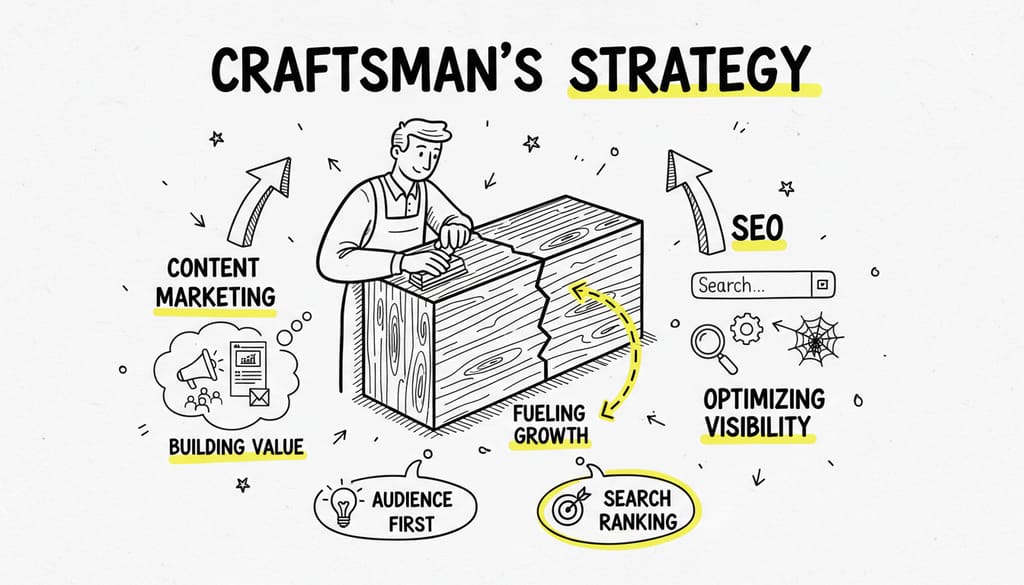
Sarah and Tom, founders of Maple & Elm, craft beautiful, handcrafted wooden furniture. They launched an e-commerce website to showcase their work to a wider audience. Like many new business owners, they expected customers to simply find them.
A few months passed, and website traffic was minimal. Sales stemmed only from friends, family, or expensive social media ads. Their beautifully designed digital showroom remained virtually empty, failing to connect with ideal customers.
The Knowledge Gap
Sarah and Tom were masters of woodworking, not digital marketing. Buzzwords like SEO, content marketing, keywords, and backlinks felt like a foreign language. They researched endlessly, becoming more overwhelmed by the complexities.
They found themselves trapped in the classic content marketing vs SEO dilemma. Some resources championed SEO, others insisted high-quality content was paramount. With limited budget and time, they felt compelled to choose one path.
This is when they discovered Ubenie. They sought a solution to bridge their knowledge gap, something that wouldn't demand they become marketing experts overnight. Ubenie’s promise of an AI-powered traffic builder, automating SEO and content marketing, seemed tailor-made. It offered a way to implement best practices without the steep learning curve.
Challenge
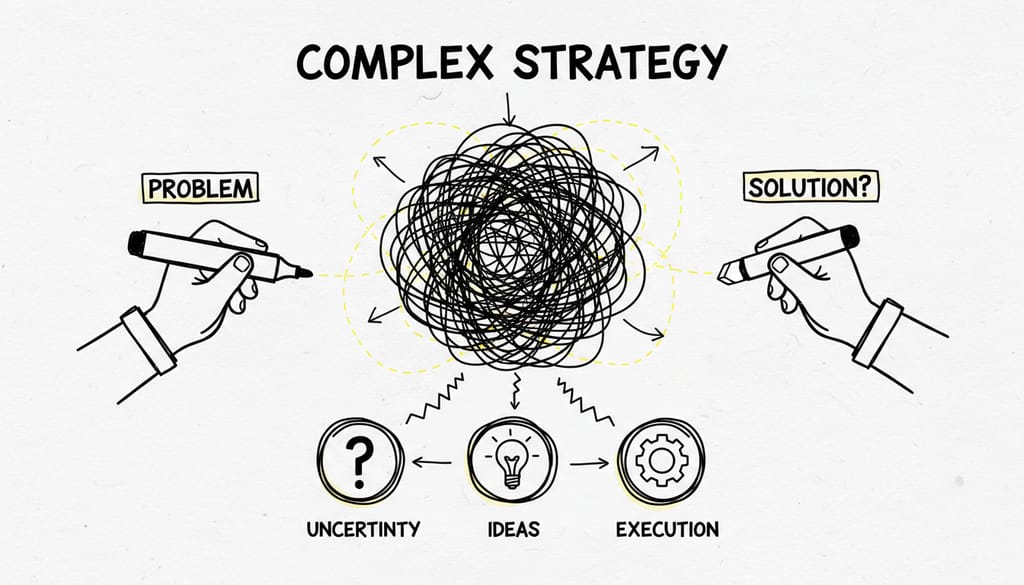
Before implementing a new strategy, Sarah and Tom assessed their obstacles. Their challenges mirrored those many small businesses face online. Understanding these pain points was essential for finding a viable solution.
Their primary challenges included:
- Website Invisibility: Maple & Elm was virtually invisible on Google. Searches for terms like "solid wood dining table" yielded no first-page results. Their digital showroom was hidden from potential customers.
- Unsustainable Traffic Source: Minimal traffic came almost entirely from paid social media ads. These generated some sales, but customer acquisition costs were high, and traffic flatlined when ads stopped. They lacked consistent, free Organic Traffic for sustainable growth.
- Keyword Paralysis and Content Graveyard: Sarah's blog posts lacked an SEO strategy. They failed to target specific Keywords customers searched for, becoming a "content graveyard." Founders knew keywords were crucial but were paralyzed by complex, costly tools.
- The "Vs." Mindset: Their biggest strategic hurdle was believing they had to choose between content marketing and SEO. They viewed SEO as technical and content marketing as creative, failing to see their deep interconnection. This false dichotomy prevented a cohesive, impactful strategy.
This is a classic small business predicament. Great products struggled to connect with the right audience online. Traditional solutions like costly agencies or extensive DIY learning seemed flawed. They needed a systematic process, aligning SEO's technical power with content marketing's creative potential.
Warning: Treating SEO and content marketing as separate departments is a common mistake. SEO without content has nothing to rank, and content without SEO has no direction. True growth happens at the intersection of both.
Solution
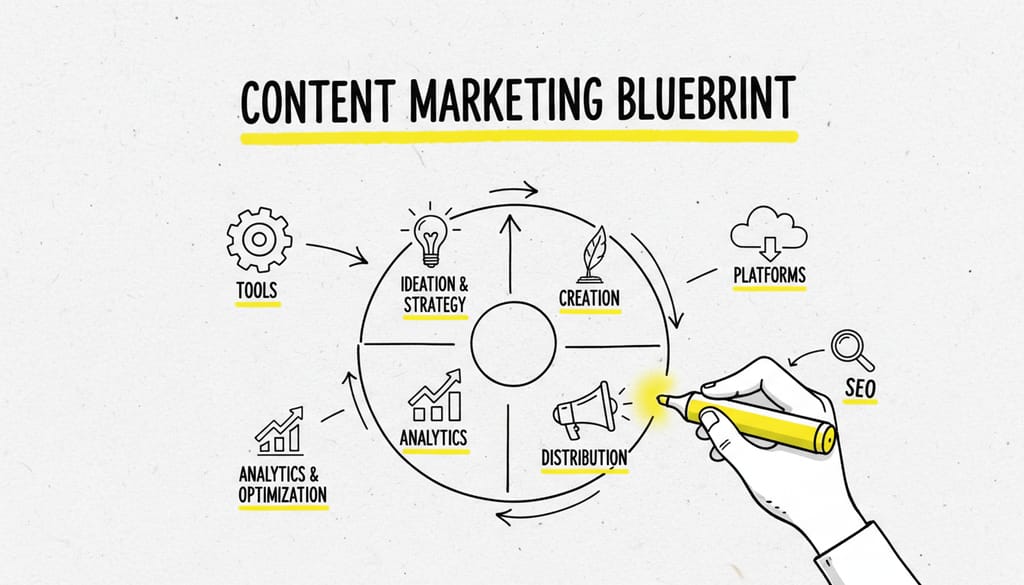
The turning point for Maple & Elm was a fundamental shift: instead of content marketing vs SEO, they asked how to integrate them. This meant using SEO to inform content marketing and content marketing to fulfill SEO goals. An integrated approach, facilitated by Ubenie, became their core strategy.
The solution wasn't a magic bullet. It was a systematic process combining technical optimization with valuable, audience-focused content. It focused on building a sustainable content engine, not just writing a few blog posts.
SEO as the Blueprint
First, they embraced SEO as the architectural blueprint for their content. This acted as the market research phase. It meant understanding specific customer questions and problems people typed into search engines.
Ubenie's AI proved essential here. After Sarah and Tom described their business, the platform's auto keyword research identified long-tail opportunities. These low-competition, high-intent phrases represented what real customers were searching for.
Examples included queries like: "how to protect a wood dining table from heat marks," "best wood for a minimalist bookshelf," and "is acacia wood good for furniture." This data-driven list became their content calendar's blueprint, providing a clear roadmap based on actual search demand.
Content Marketing as the Vehicle
With the SEO blueprint in hand, content marketing became the vehicle to execute the plan. Each keyword became the basis for a blog post designed to be the most helpful resource for that specific query. This is a core tenet of modern SEO: rank by providing genuine value and satisfying user intent.
Ubenie's auto research and content generation features were a game-changer for the time-strapped founders. Ubenie took each target keyword and automatically generated a comprehensive, Google-optimized blog post. The platform handled competitive analysis, understanding top-ranking content and structuring articles with proper headings (H1, H2, H3s) and short paragraphs that readers and search engines favor.
Content was meticulously designed to directly answer the user's question, whether informational, commercial, or navigational. The platform also suggested relevant internal links, connecting new articles to product pages and other blog posts, creating strong site architecture. Sarah and Tom's role shifted from writers to editors. Instead of staring at a blank page, they received a fully drafted article in their Ubenie dashboard. They could then review, add personal touches and expert insights, and schedule it for publication with a few clicks. They were building a library of helpful resources, turning their website into an authority on handcrafted furniture. For a deeper dive into this process, explore A Complete Guide to Content Marketing for Small Business. Understanding the difference between Content Marketing vs Digital Marketing: What's the Difference? further clarifies this synergy.
Results
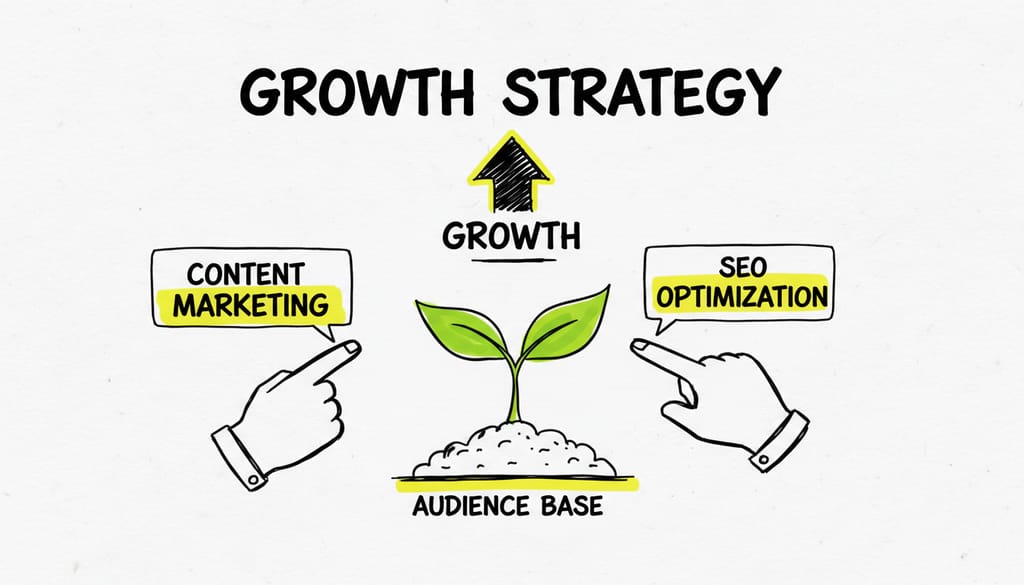
For Maple & Elm, the integrated approach of SEO-driven content marketing, streamlined by Ubenie, transformed their business over six months. The changes were measurable across key performance indicators, tracked meticulously using Google Analytics.
By focusing on Content Optimization and consistency, they turned their website from a digital brochure into a powerful customer acquisition channel. The data clearly showed that when SEO and content marketing work in harmony, the result is exponential. Studies show the #1 result in Google gets ~27.6% of all clicks ^1, making first-page visibility incredibly valuable.
| Metric | Before Ubenie (Monthly Avg) | After 6 Months with Ubenie (Monthly Avg) | Percentage Change |
|---|---|---|---|
| Organic Traffic (Visitors) | 45 | 2,850 | +6,233% |
| Keywords on Page 1 of Google | 0 | 38 | N/A |
| Blog-Generated Leads (Email Sign-ups) | 0 | 112 | N/A |
| Bounce Rate (Blog) | N/A | 65% | N/A (Improved Engagement) |
| Conversion Rate (Site-wide) | 0.2% | 0.5% | +150% |
Key Achievements
- Explosive Organic Traffic Growth: The most dramatic result was the surge in organic traffic. By consistently answering customer questions, they began to rank for dozens of long-tail keywords. This traffic was not only free but also highly qualified, consisting of people actively seeking product-related information.
- First-Page Visibility: Within six months, Maple & Elm secured 38 keywords on the first page of Google. Articles like "How to Protect a Wood Dining Table" ranked #2, driving hundreds of targeted visitors monthly. This visibility established them as experts in their niche.
- A Functioning Lead Funnel: Each blog post included a relevant Call to Action (CTA), such as an offer to download a "Complete Furniture Care Guide" in exchange for an email address. This simple strategy generated over 100 new leads per month, building a valuable email list.
- Improved User Engagement: The new content was so helpful that visitors stayed on the site longer. The average Bounce Rate for their blog was a healthy 65%, indicating valuable information and boosting their SEO. This positive user signal further boosted their SEO efforts.
- Increased Sales: While content marketing is often a long-term play, the increase in qualified traffic directly impacted sales. The overall website Conversion Rate more than doubled. Visitors arriving from their blog were already educated about quality furniture and primed to buy.
This success story underscores the power of a systematic approach. By leveraging an AI tool like Ubenie, they found an [Affordable SEO for Small Business: DIY vs. Agency vs. AI](https://www.ubenie.com/blog/affordable-seo-for-small-business-diy-vs-agency-vs-ai) solution that fit their budget and time constraints.
Success: By shifting from a "vs." to an "and" mindset, Maple & Elm didn't just increase traffic; they built a sustainable, long-term asset that continues to grow on autopilot.
Lessons Learned
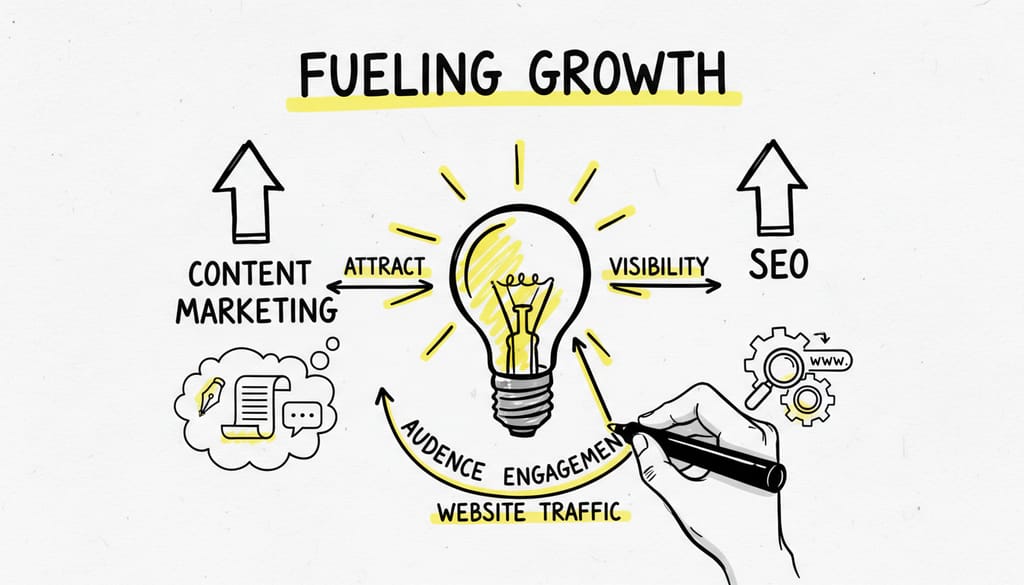
The journey of Maple & Elm offers powerful lessons for any business grappling with the content marketing vs SEO dilemma. Their success stemmed from strategic shifts and consistent actions, not a single tactic.
Here are the key takeaways from their experience:
Lesson 1: It's a Partnership, Not a Rivalry
SEO and content marketing are not two choices; they are essential ingredients in the same recipe. SEO provides the strategic direction, identifying audience needs and search language. Content marketing is the creative execution that meets those needs, builds trust, and drives action. One cannot function effectively without the other, emphasizing their interdependent nature.
Lesson 2: Strategy Must Precede Action
Before Ubenie, Maple & Elm's content efforts were random, written without search demand or user intent in mind. This resulted in a content graveyard. Their success came when they adopted a strategy-first approach. By using AI-driven keyword research, every piece of content had a specific purpose and a built-in audience. They stopped guessing and started creating assets with predictable performance.
Lesson 3: Consistency is the Engine of Momentum
Publishing two unoptimized blog posts a year achieved nothing. Publishing one highly optimized, valuable article every week created compounding returns. Search engines like Google reward consistency and freshness. This regular cadence of new content signaled to Google that Maple & Elm's website was an active and authoritative resource. This is often the hardest part for small businesses, and where automation provides significant leverage.
Lesson 4: Automation is a Force Multiplier for Small Teams
Sarah and Tom didn't get more hours in their day; they leveraged technology to become more efficient. Tools like Ubenie automated time-consuming parts of the process: keyword research, competitive analysis, and first-draft writing. This freed them to focus on high-value tasks: adding unique expertise, engaging with customers, and running their business. For small teams, automation isn't a luxury; it's a necessity.
Lesson 5: Measure What Matters to Understand ROI
Early on, Maple & Elm had no idea if their efforts were working. By setting up basic tracking in Google Analytics, they connected actions to outcomes. They focused on metrics directly impacting their business: Organic Traffic, keyword rankings, leads generated, and ultimately, sales. This data-driven approach allowed them to see what worked, double down on successful content, and demonstrate a clear return on investment.
Conclusion
The debate over content marketing vs SEO is a distraction. As Maple & Elm's story demonstrates, the real question is how to weave them into a single, cohesive strategy. SEO provides the data-driven foundation—the 'why' behind your content. Content marketing is the execution—the 'what' that builds authority and connects with your audience.
Maple & Elm's transformation wasn't about becoming marketing gurus overnight. It involved adopting a smarter system. They stopped guessing and started relying on a process that was both strategic and scalable. Leveraging AI-powered automation through Ubenie, they executed an expert-level SEO and content strategy without the expert-level price tag or time commitment.
They built a content engine that now works for them 24/7. It attracts qualified customers and grows their business on autopilot. For any business feeling stuck, invisible, or overwhelmed, stop seeing SEO and content marketing as a choice. Start seeing them as a partnership. Aligning the technical precision of SEO with the human connection of great content builds a lasting, valuable asset for your brand.
Frequently Asked Questions
Can you do SEO without content marketing?
Technically, you can focus on technical SEO elements like site health and backlink profiles. However, content is the primary vehicle for search engines to understand your site's relevance and for users to find value. Without a robust content strategy, your SEO efforts will be severely limited, missing the most powerful tool for attracting organic search traffic.
Which is more important for a new business, SEO or content marketing?
For a new business, an integrated approach is most effective. Start with foundational SEO to ensure your site is technically sound and to conduct thorough keyword research for market understanding. Then, immediately begin creating content based on that research. This dual strategy helps signal your business's relevance to search engines and builds initial authority.
How long does it take for SEO and content marketing to show results?
This is a long-term strategy requiring patience and consistency. While some initial ranking improvements for low-competition keywords might be seen within 3-4 months, significant, traffic-driving results typically manifest after 6-12 months of sustained effort. The momentum builds slowly but compounds over time, delivering highly sustainable results.
Is SEO still worth it in 2026?
Absolutely. SEO remains a cornerstone of digital marketing, continuously evolving with search engine algorithms and user behavior. In 2026, it's more crucial than ever for long-term, sustainable traffic and lead generation. As AI-powered search advances, optimizing for user intent and authoritative content becomes paramount, making SEO an an indispensable investment for visibility and credibility.
How can I measure the ROI of my content marketing and SEO efforts?
To measure ROI, track key performance indicators (KPIs) tied directly to your business goals. These include increases in Organic Traffic, improvements in target keyword rankings, lead generation (e.g., email sign-ups directly attributed to content), and ultimately, the Conversion Rate of that traffic into actual customers. Quantifying these allows you to calculate the monetary return on your investment.
Tired of struggling with SEO and content marketing? Automate your traffic growth and focus on what you do best. Visit our website to discover how we can help you achieve higher search rankings and more leads.
Article created using Ubenie.