
Understanding Digital Strategy
In the dynamic online business world, "content marketing" and "digital marketing" are often used interchangeably. This common confusion can lead to misaligned strategies and wasted resources. While deeply interconnected, understanding the distinction between content marketing vs digital marketing is fundamental for a powerful growth engine.
Think of digital marketing as the entire vehicle, with content marketing as its high-performance engine. The engine needs the car's structure to be useful, just as content needs various digital channels to reach its potential. One is a broad discipline, the other a specific, foundational approach within it.
This guide will clarify each concept, explore their features, and demonstrate how to integrate them into a cohesive strategy. This approach drives traffic, builds authority, and ultimately grows your business.
What is Content Marketing?
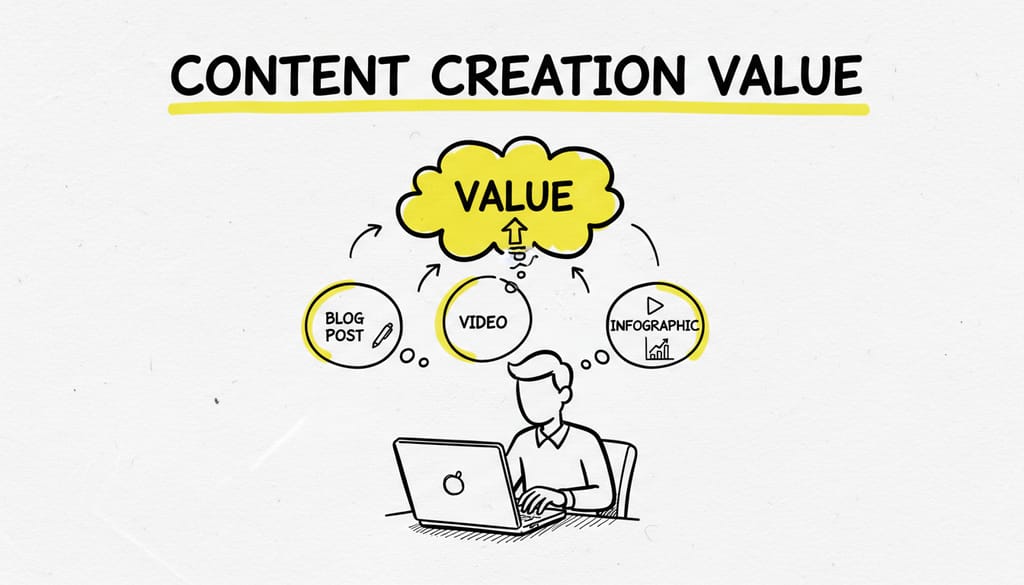
Content marketing is a strategic approach focused on creating and distributing valuable, relevant, and consistent content to attract and retain an audience. The ultimate goal is to drive profitable customer action. Instead of direct sales pitches, you provide genuinely useful content that solves audience problems.
The key is value. Content marketing operates on reciprocity, building trust by offering insights through blog posts, videos, ebooks, or podcasts. This isn't about the hard sell; it's about becoming a trusted resource. According to recent content marketing statistics, 69% of businesses found it superior to direct mail and PR efforts[^1]. It’s a long-term strategy for building relationships and nurturing prospects into loyal customers.
An eco-friendly cleaning company, for example, might create blog posts on "10 Harmful Chemicals in Traditional Cleaners" or video tutorials for DIY cleaners. This content educates the audience, subtly positioning the brand as a knowledgeable expert. When it's time to buy, that brand is top-of-mind.
Key Features of Content Marketing
To truly grasp its role, let's look at defining characteristics:
Focus on Audience Value: The primary goal is to serve audience needs, answering questions and solving problems. This customer-centric approach builds lasting relationships.
Long-Term Asset Building: A high-quality blog post or guide becomes an asset, attracting traffic and leads for years. Unlike paid ads, content compounds in value, becoming a powerful Traffic Builder.
Builds Trust and Authority: Consistently publishing expert content establishes your brand as a go-to resource. This authority streamlines the sales process.
Supports Other Marketing Channels: Great content fuels other efforts. It provides valuable material for social media, email newsletters, and SEO strategy.
Drives Organic Growth: Content marketing is the engine of SEO. Creating content for specific keywords and user intents attracts sustainable, cost-effective organic traffic.
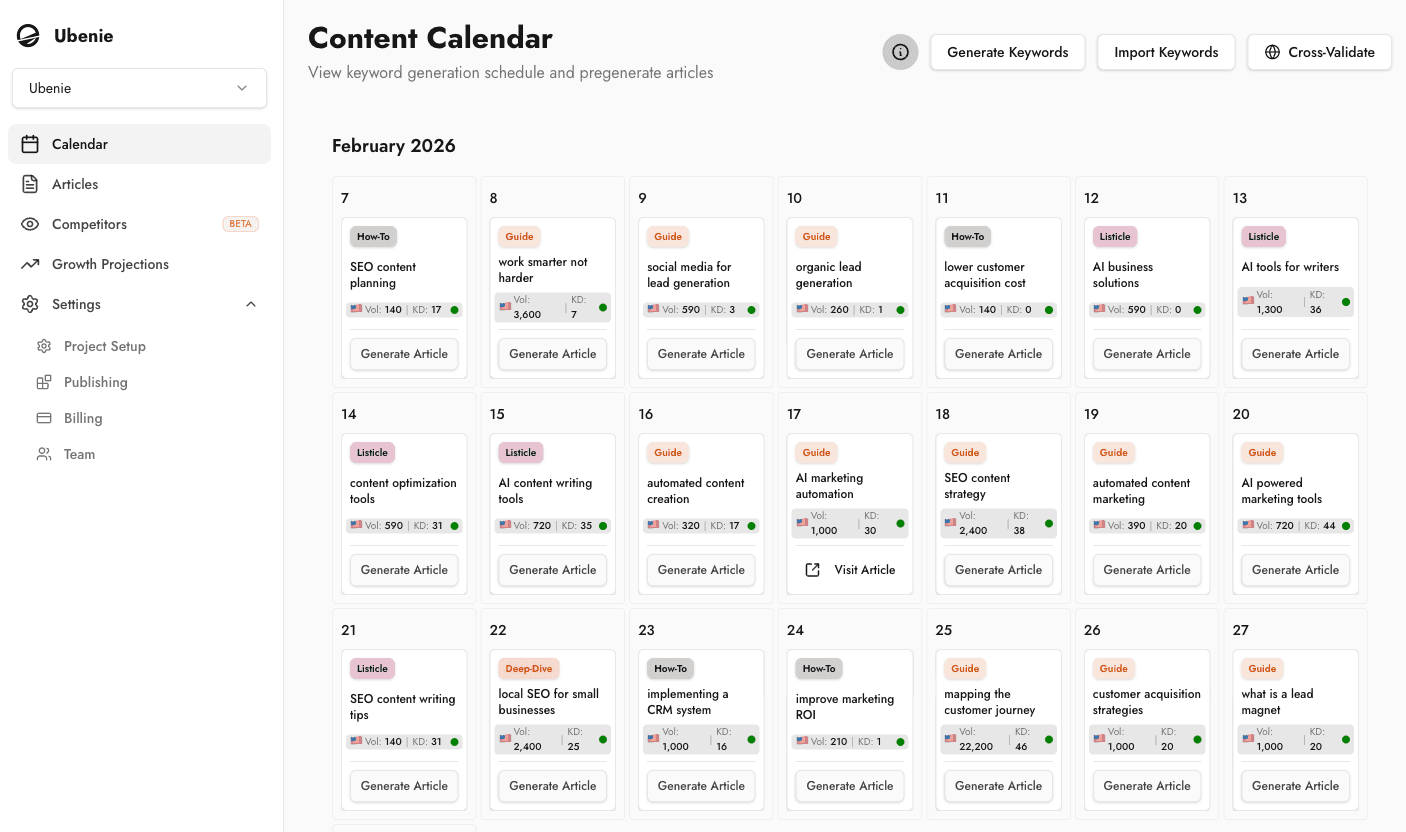
Ubenie is designed to master this area, automating the creation of SEO-optimized blog posts, a cornerstone of content marketing. It identifies Low-Competition Keywords and turns them into rank-ready articles, building your content asset library without immense time investment. This allows you to focus on your business while Ubenie’s content engine works.
What is Digital Marketing?
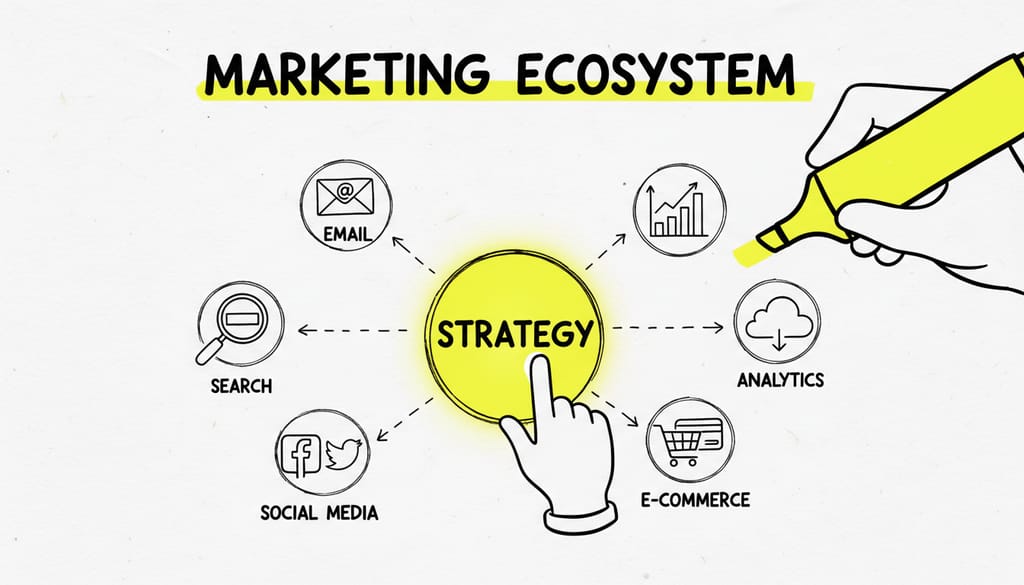
If content marketing is the engine, digital marketing is the entire vehicle. It’s the all-encompassing practice of promoting a brand, product, or service using digital channels. This umbrella term covers a vast array of tactics and strategies, including content marketing itself.
Digital marketing includes any effort using an electronic device or the internet. It leverages channels like search engines, social media, email, and websites to connect with customers. Its scope is broad, from a single tweet to a multi-million dollar pay-per-click (PPC) campaign.
While content marketing attracts an audience through value, other digital marketing disciplines focus on direct engagement and conversion. A Google Ads campaign, for instance, places your product directly before someone actively searching for a solution. Social media ads target users based on demographics, interests, and online behaviors.
Our eco-friendly cleaning company's digital marketing strategy would include content marketing (blogs, videos) alongside:
Search Engine Optimization (SEO): Optimizing content and website to rank higher.
Pay-Per-Click (PPC) Advertising: Running Google Ads for terms like "buy non-toxic cleaner."
Social Media Marketing: Managing an Instagram page with product photos and community engagement.
Email Marketing: Sending weekly newsletters with tips and offers to subscribers.
These activities all fall under the broad category of digital marketing.
Key Features of Digital Marketing
Digital marketing’s characteristics highlight its breadth and directness:
Broad Scope and Multiple Channels: It is a multi-faceted discipline, connecting with customers across various touchpoints.
Direct Promotion: Many tactics, like PPC and social media ads, are explicitly promotional. The goal is often immediate action: a click, purchase, or form submission.
High Measurability: Digital marketing offers precise, real-time results via tools like Google Analytics. Marketers track impressions, clicks, conversions, CPA, and ROI for nearly every campaign.
Targeted and Personalized: Digital channels allow incredible precision. You can target ads by zip code, job title, or past website visits, making efforts far more effective.
Speed and Agility: Campaigns can be launched, tested, and optimized in hours or days. This allows businesses to be nimble and responsive to market changes.
Platforms like HubSpot or Marketo are comprehensive digital marketing tools. They provide solutions for email marketing, social media management, CRM, and analytics, managing the many moving parts of an overall digital strategy.
Content Marketing vs. Digital Marketing: The Core Differences
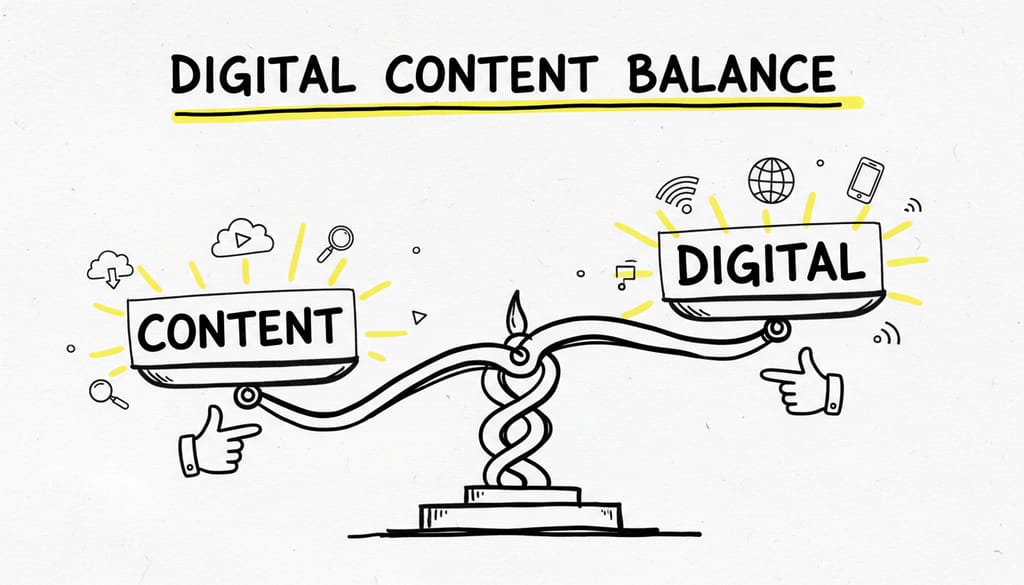
The fundamental difference between content marketing vs digital marketing lies in scope and intent. Digital marketing is the all-encompassing practice of online promotion, while content marketing is a specific strategy focused on audience attraction through value. All content marketing activities are digital marketing, but not all digital marketing activities are content marketing.
A technical SEO audit, a Google Ads campaign, or designing an email template are digital marketing tasks without necessarily creating long-form content. Conversely, writing a blog post is content marketing, and promoting it via email and social media uses other digital marketing channels.
This table clarifies their distinctions:
Aspect | Content Marketing | Digital Marketing |
|---|---|---|
Primary Goal | Attract, engage, and retain audience via value; build trust and long-term relationships. | Promote brand/product; drive specific actions (sales, leads, clicks); encompasses direct response. |
Scope | A specific subset and pillar of a larger strategy. | Broad, umbrella term including content marketing, SEO, PPC, social media, email, and more. |
Core Tactics | Blogging, video, podcasting, ebooks, whitepapers, case studies, infographics. | Content marketing tactics, PLUS: PPC ads, social media ads, technical SEO, email campaigns, affiliate marketing, influencer marketing. |
Timeline | Primarily long-term; results (organic traffic, brand authority) compound over time. | Can be short-term (PPC for sales) or long-term (ongoing SEO strategy). |
Key Metrics | Engagement (time on page, shares), organic traffic growth, keyword rankings, subscriber growth, lead quality. | Click-Through Rate (CTR), Cost-Per-Click (CPC), Conversion Rate, Customer Acquisition Cost (CAC), Return on Investment (ROI). |
Audience Relationship | Pull marketing; draws audience by offering active solutions or information. | Can be both pull (SEO) and push (display ads); often involves promotional messages. |
This table shows content marketing is foundational, enhancing other digital marketing tactics. Without great content, SEO lacks ranking material, social media lacks shareable value, and email campaigns lack compelling offers.
When to Prioritize Content Marketing
While an integrated strategy is ideal, certain situations call for prioritizing content marketing. This is especially true for businesses focused on long-term, sustainable brand building.
For Building Brand Authority and Trust
If your industry demands expertise and trust—like finance, healthcare, legal, or high-tech B2B—content marketing is essential. Customers need to see you as a credible, knowledgeable authority. In-depth guides, original research, and expert interviews build this trust more effectively than banner ads, transforming you from a vendor to a partner.
For Long-Term, Sustainable Growth
Do you seek an asset that generates leads on autopilot for years? SEO-driven content marketing is the answer. While PPC ads stop with your budget, a well-ranking article attracts qualified traffic for months or years. This strategy targets High-Potential Keywords signaling strong user intent, creating a reliable stream of organic visitors. This approach is central to Ubenie's Traffic Builder tool, which uses Automation to create a continuous content engine.
When Your Product or Service Has a Long Sales Cycle
For complex or high-ticket items, customers research extensively. Content marketing allows you to engage throughout their journey. Create content for every funnel stage: awareness (blog posts), consideration (comparison guides, case studies), and decision (product tutorials, free trials). Guiding them builds strong relationships and positions you as the clear choice.
When You Have a Limited Ad Budget
Startups and small businesses often can't compete with large corporations on ad spend. Content marketing levels the playing field. While it requires time (or Ubenie to automate), it's far more cost-effective long-term. Focusing on On-Page SEO and creating valuable content for niche audiences carves out search result space without a massive ad budget.
A B2B SaaS company selling project management software, for example, prioritizes content marketing. They create blog posts comparing methodologies, ebooks on productivity, and case studies showing client success. This educational approach builds trust and makes their software the logical solution.
When to Prioritize Other Digital Marketing Channels
Content marketing is a marathon, but sometimes you need immediate results or have goals better served by direct digital marketing tactics. It's about optimizing resource allocation.
For Immediate Sales and Promotions
For new product launches, limited-time sales, or quarterly targets, speed is essential. Pay-per-click (PPC) advertising on Google Ads or social media platforms delivers targeted traffic instantly. You can craft specific offers, target precise audiences, and see results within hours. For an e-commerce Black Friday sale, PPC is crucial.
To Reach Hyper-Specific or Niche Audiences
While SEO targets users by search queries, social media ad platforms offer granular demographic and psychographic targeting. Target users by job title, interests, or life events. If you sell custom hiking gear for dog owners, Facebook ads precisely reach that exact audience faster than content alone.
For Remarketing and Re-engagement
Visitors who browse but don't convert are missed opportunities. Remarketing campaigns, using display or social media ads, re-engage past website visitors. These campaigns keep your brand top-of-mind and encourage purchase completion. This "push" tactic complements the "pull" of your content marketing.
To Amplify Your Existing Content
Creating great content is only half the battle; promotion is vital. Other digital marketing channels support your content efforts:
Email Marketing: Send your latest blog post to subscribers using a tool like Mailchimp.
Social Media Marketing: Share content across channels and run paid campaigns to boost reach.
Paid Search: Promote high-value content like ebooks or webinars via ads to generate leads.
In these scenarios, digital marketing acts as the distribution network for assets created by your content marketing.
The Power of Integration: How They Work Together
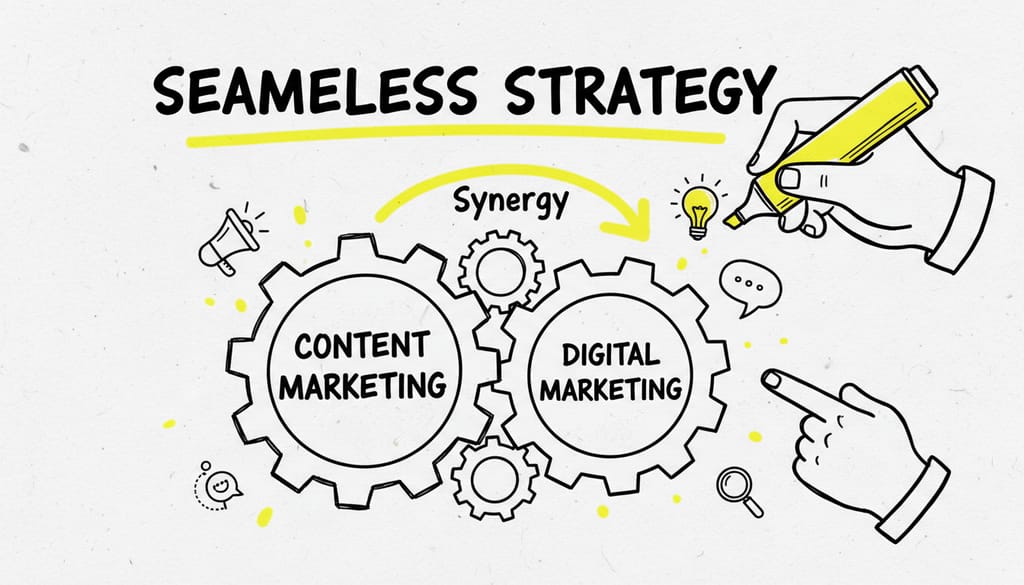
The most successful brands don't choose between content marketing vs digital marketing. They understand that seamless integration creates magic. Each element strengthens the other. A holistic strategy uses content as the foundation, then leverages other digital channels to amplify its reach.
Statistics show content marketing is a core business strategy, with 82% of marketers actively using it[^2]. This widespread adoption highlights its central role.
Here’s how they create powerful synergy:
Content Fuels SEO: SEO demands content. To rank on Google, you need high-quality pages targeting keywords and satisfying user intent. Your blog posts, service pages, and guides are the substance search engines crawl. Practices like Internal Linking distribute authority, while Optimized Headlines and Meta Descriptions improve click-through rates.
Content Powers Social Media: An active social media presence needs engaging material. Content marketing provides ideal fuel. Share links to your blog, native videos, infographics, and article quotes. This delivers value to followers and drives traffic back to your site.
Content Enhances PPC: PPC drives immediate traffic, but strong content magnifies its effectiveness. Run ads leading to high-converting landing pages with compelling copy (content!). Or, promote a lead magnet like a free ebook or webinar (also content!) to capture leads for nurturing. This makes ad spend more efficient.
Content Nurtures Email Leads: Email marketing builds subscriber relationships. Blasting sales offers leads to unsubscribes. Nurturing with valuable content—latest articles, exclusive guides, helpful tips—keeps them engaged and builds trust. When you offer something, they're more receptive.
Ultimately, a business might use Semrush for keyword research (digital marketing), then Ubenie to automatically create blog posts targeting those keywords (content marketing). They then promote these posts via email newsletters and social media ads (digital marketing). It's a continuous, powerful cycle.
Conclusion
The discussion of content marketing vs digital marketing isn't a competition, but a clarification of roles. Digital marketing is the broad orchestra, encompassing every instrument. Content marketing is the compelling melody the orchestra plays. Without a strong melody, you have noise. Without the orchestra, the melody cannot reach its full potential.
For modern businesses, the answer is not to choose one. It’s to build a strong content marketing foundation—creating valuable assets that attract and engage your audience. Then, use the diverse toolkit of digital marketing to amplify that content, reach new audiences, and guide prospects. Integrating both creates a resilient, long-term growth strategy that builds loyal audiences and drives sustainable results.
Frequently Asked Questions
Can I do content marketing without digital marketing?
Technically, yes, but it is extremely limiting in today's digital landscape. While content could exist offline (e.g., printed materials), content marketing is almost exclusively a digital practice today. To ensure your content is seen and reaches its intended audience, you require digital marketing channels like SEO, email, and social media for effective distribution.
Which is better for a small business with a limited budget?
Content marketing is often the best starting point for a small business on a tight budget. It focuses on building long-term, organic assets that generate traffic and leads for years without continuous ad spend. While initial results may take longer, the ROI can be significantly higher and more sustainable over time, making it a powerful investment.
How long does it take to see results from content marketing?
Content marketing is inherently a long-term strategy. You might observe some initial engagement, but significant results—such as increased organic traffic, improved keyword rankings, and consistent lead generation—typically require 6 to 12 months of consistent effort. The nature of content marketing is compounding, meaning results build on each other and grow exponentially over time.
Tired of struggling with SEO and content marketing? Automate your traffic growth and focus on what you do best. Visit our website to discover how we can help you achieve higher search rankings and more leads.
Article created using Ubenie. Yes, we create our own articles!