
The Shift in SEO Content Creation
According to eMarketer research, 91% of marketers plan to increase content output. Yet, less than half say their processes are scalable. For years, businesses relied on traditional SEO content writing services for Google rankings. This process was often manual, slow, and costly. Today, AI's fusion with SEO is reshaping this landscape. This shift levels the playing field, making high-performance content accessible without a massive budget or large teams. This analysis will explore the critical trends defining the future of content optimization and their impact on your growth strategy.
From Manual Tasks to Intelligent Automation

Historically, engaging expert content creation meant a slow and often cumbersome process. You would hire agencies or freelancers, spending weeks on keyword research and waiting for manually crafted articles. While effective, this model was slow, expensive, and difficult to scale. Consistency often varied. The entire content workflow was fragmented and labor-intensive.
This traditional approach often disconnected content creation from performance analysis. Articles were published with little insight into their ranking success. This reactive strategy is no longer viable with daily algorithm changes and accelerated competitor publishing. The industry is now at an inflection point, demanding more agile solutions.
AI-powered platforms introduce a new paradigm. Instead of just delivering words, modern SEO content writing services offer integrated ecosystems. They handle everything from keyword discovery to content generation, optimization, and scheduling. This is where Ubenie fundamentally changes the equation. Ubenie is an AI-powered traffic builder that automates the entire SEO content pipeline. By identifying low-competition, high-intent keywords and generating optimized articles, Ubenie frees businesses from content creation drudgery. This allows them to focus on core operations.
Consider the clear contrast. Traditional content support relies on manual, time-consuming keyword research using expensive tools. Ubenie offers automated, continuous discovery of high-potential keywords. Content creation with human writers is slow and variable. Ubenie provides AI-generated, rank-ready articles in minutes. Costs are high for traditional retainers. Ubenie offers affordable, scalable subscription models. Scaling is limited manually but nearly infinite with Ubenie, allowing dozens of articles monthly. Optimization is built-in with Ubenie, incorporating Structured Ranking Elements, unlike manual implementation. The workflow is integrated, not fragmented, putting research, writing, editing, and scheduling in one place.
This shift isn't just about efficiency; it's about effectiveness. AI empowers businesses to execute sophisticated content strategies, once exclusive to large corporations. Businesses are seeking smart, affordable content solutions that deliver tangible growth.
Trend 1: The Ubiquity of AI and Generative Content
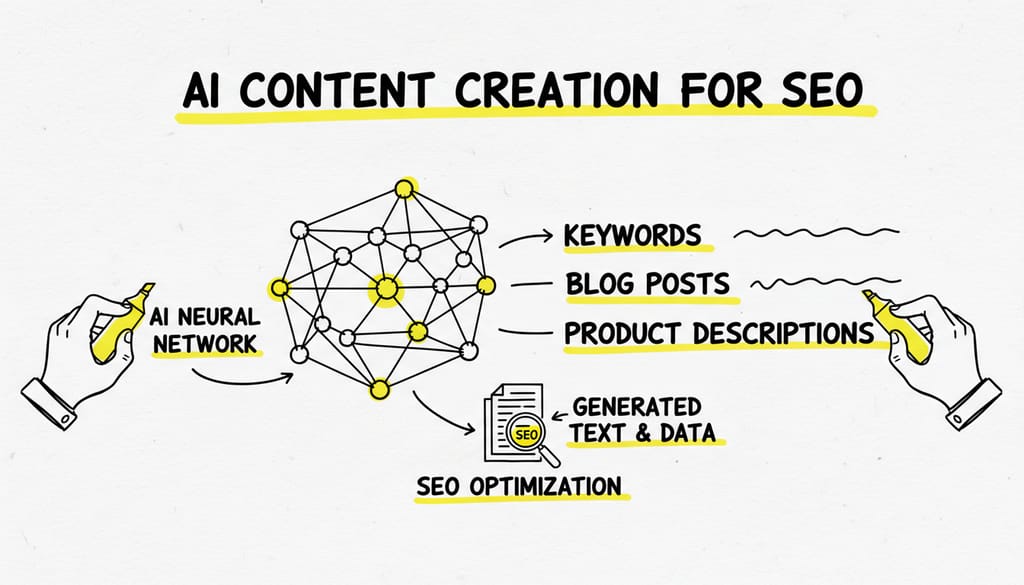
AI's mainstream adoption is the most disruptive trend in modern content strategy. AI-powered writing assistants have evolved into platforms. These platforms are capable of generating coherent, well-researched, and search-optimized long-form articles. The initial fear of generic AI content has given way to the reality. High-quality, AI-generated content, guided by sound SEO strategy, can and does rank.
Recent industry data confirms this impact. A Semrush report indicates 43% of companies already use AI for content creation, with many more planning adoption [^1]. This is not a fad; it's a fundamental shift in content production at scale. Speed and cost-efficiency are key drivers. AI completes tasks in minutes that took human writers hours, enabling rapid topical authority and broader keyword targeting.
Ubenie exemplifies this trend perfectly. It doesn't use a generic AI model. Instead, it has built an entire system around it. The platform's AI conducts automated research, analyzes top-ranking competitors, and crafts articles designed to outperform them. It incorporates crucial SEO elements, suggests internal links, and optimizes headlines and Meta Descriptions automatically. Users become strategists or editors. They approve and tweak AI-generated drafts rather than starting from scratch.
AI's promise is dual: quantity and quality. Scalability is clear. A business can go from publishing four articles a month to forty without a linear cost increase. This allows rapid testing of content pillars and keyword strategies. You can establish authority across a topic in a fraction of the time.
Quality is more nuanced. Success with AI-generated content requires a strategic framework. Raw output often lacks the E-E-A-T signals (Experience, Expertise, Authoritativeness, Trustworthiness) Google values. Specialized platforms like Ubenie are designed with SEO as the primary goal. They ensure content is readable and structured for ranking success. This includes incorporating competitive analysis data and fine-tuning for user intent.
Trend 2: Hyper-Personalization and Granular Audience Targeting
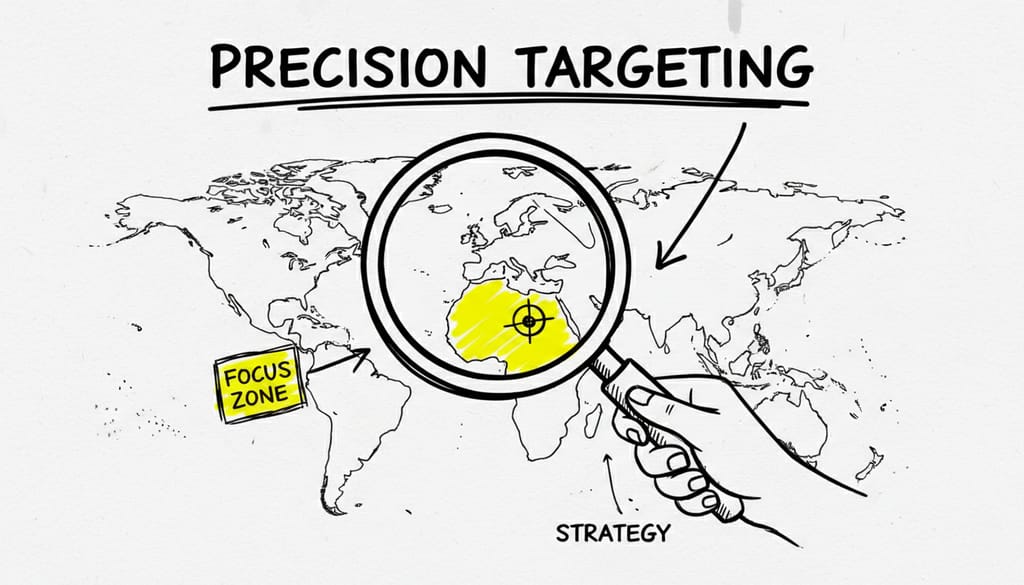
Generic content casting a wide net is outdated. Today, consumers expect information tailored to their unique problems and needs. This pushes content optimization solutions towards hyper-personalization and deep Audience Targeting. Targeting broad keywords like "project management software" is replaced by long-tail keywords. These capture specific intent, such as "best project management software for small construction companies."
This granular approach yields higher conversion rates. This is because content perfectly matches searcher context. Modern content services must move beyond basic demographics. They need to understand a business's ideal customer profile: pain points, goals, and specific language. This deep understanding informs every content aspect, from tone to solutions.
A robust Onboarding Process is critical here. For Ubenie, users describe their business, products, services, and target audience in detail. This input forms the foundation for the AI's content strategy. The system identifies keyword opportunities directly relevant to that specific niche. This ensures generated traffic consists of qualified potential customers. These customers are actively seeking solutions a business offers.
By tailoring content to specific audience segments, businesses build loyal followings. They establish themselves as niche authorities. This strategy also faces less competition, as large players often dominate broad keywords. Hyper-personalization allows smaller businesses to carve out profitable spaces. They serve well-defined audiences better than anyone else.
Trend 3: A Deepening Focus on E-E-A-T and Topical Authority

Google's E-E-A-T emphasis has fundamentally changed high-quality content criteria. Search engines now distinguish superficial, keyword-stuffed articles from genuinely helpful content. This helpful content comes from credible sources. Content creation and optimization are no longer just about keywords. They must demonstrate genuine expertise and build trust with users and search engines.
Content must be comprehensive, accurate, and well-supported. This often means citing authoritative sources or including original insights. Information must also be structured for easy understanding. Google evaluates a website's overall authority on a topic, giving rise to topical authority. Businesses now aim to create comprehensive content libraries. These cover specific subjects from multiple angles, often via pillar pages and cluster content.
Achieving this depth manually is monumental. It requires extensive research, expert writers, and a long-term vision. AI-driven services democratize this process. By analyzing the entire search landscape for a topic, AI identifies relevant subtopics, user questions, and semantic keywords. This ensures comprehensive resources. It structures articles with logical flows, ensuring all critical aspects are covered.
For businesses, the goal is to become the definitive information source for an entire niche. It's not just about ranking for one keyword. This builds long-term SEO value, which is more resilient to algorithm updates. Proving this value is key, as highlighted in explorations of content marketing versus SEO. These show how strategic approaches drive tangible business outcomes.
Trend 4: Integration of Multimedia and Advanced Structured Data
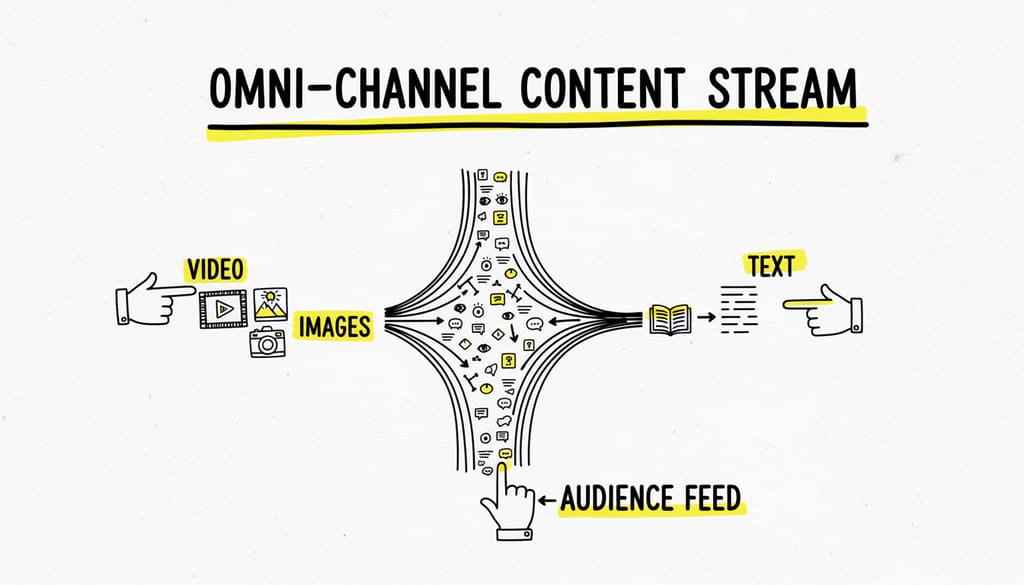
Text is no longer the sole king of content. User engagement is higher with varied media formats. These include images, videos, infographics, and interactive elements. Search engines recognize this. They often reward pages with richer user experiences with better rankings. Modern content optimization solutions now include multimedia integration as a core offering.
This trend goes beyond embedding a YouTube video. It's about strategically using different media types to explain complex topics. It also breaks up text and increases user dwell time. Longer dwell time signals to Google that content is valuable and engaging. This positively impacts rankings.
Structured data (schema markup) is a critical technical SEO component. It is integrating into content strategy. This code helps search engines understand content context in detail. Implementing schema for FAQs, reviews, products, or articles makes content eligible for rich snippets in search results. These enhanced listings, with star ratings, images, or accordion-style FAQ sections, have much higher click-through rates than standard links.
This is where Structured Ranking Elements come into play. These are internal content elements. They include formatted Q&A sections, bulleted lists, and clear headings. They are easily parsed by search engines and pulled into SERPs as featured snippets or "People Also Ask" boxes. AI-powered platforms increasingly incorporate these elements automatically. This gives businesses a competitive edge without requiring schema markup expertise. Incorporating simple structured elements like a well-formatted FAQ section significantly increases chances of capturing a featured snippet. This drives more organic traffic without needing a number one rank.
Trend 5: Data-Driven Strategies and Predictive Analytics
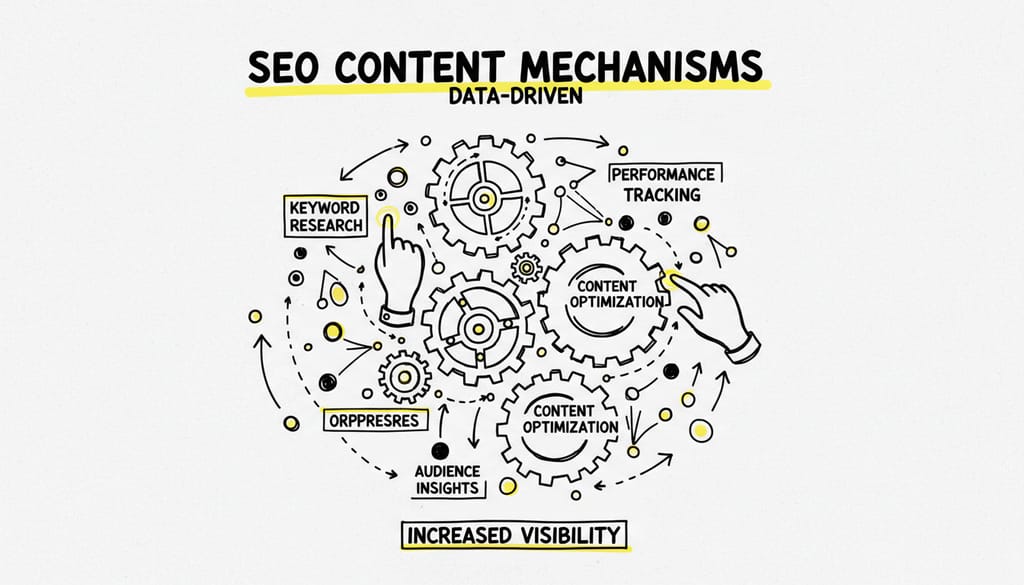
The most sophisticated content strategy services now operate like data science firms. They are not just creative agencies. The "publish and pray" approach is replaced by continuous data analysis, strategic adjustment, and performance measurement. Success is measured by tangible business outcomes. These include organic traffic growth, lead generation, and sales.
This data-driven approach relies on powerful tools. Google Analytics and Google Search Console provide essential data on user behavior, keyword performance, and site health. Advanced tools like Ahrefs and Semrush offer deep insights into competitor strategies and backlink profiles. Modern content services integrate this data. They identify content gaps, find new keyword opportunities, and refine existing content for better performance. This focus on measurable results drives demand for smart, affordable content solutions.
AI takes this trend further with predictive analytics. AI algorithms analyze vast datasets. They forecast a keyword or topic's potential success before writing begins [^2]. For example, an AI might identify a keyword with rapidly growing search volume and low competition. This becomes a high-priority opportunity.
This predictive capability minimizes wasted effort. It also maximizes ROI. Businesses focus on topics with the highest potential for driving meaningful traffic. They avoid spending resources on content with low ranking probability. This transforms content marketing from a cost center into a predictable, scalable growth engine.
Predictions: The Future is an Automated Content Engine
The discussed trends are converging towards a powerful future. The lines between content writing, SEO, and analytics will blur. This will lead to fully autonomous content engines. Here's what to expect in the coming years:
- Hyper-Automation of the Content Lifecycle: The entire process, from identifying a business goal to generating traffic, will become increasingly automated. Platforms will suggest keywords, write content, and handle Content Scheduling, promotion, and performance tracking with minimal human intervention.
- Proactive Content Refreshing: AI systems will constantly monitor existing content performance. When rankings slip, the system will identify the cause and generate an updated version to reclaim its position.
- AI as a Strategic Partner: The human marketer's role shifts from execution to high-level strategy. They will manage AI, setting goals, defining brand voice, and making strategic decisions based on AI-driven recommendations. AI handles tactical, day-to-day content production.
- Seamless Personalization at Scale: Content will be dynamically personalized, potentially for individual users. A website's blog content could adapt based on previous interactions. This provides a uniquely relevant experience for deeper engagement.
The future of SEO content writing services isn't about buying articles. It's about investing in an intelligent system. This system continuously grows your organic traffic, freeing you to build your business.
What This Means for Your Business
For small business owners and marketing managers, these trends represent a monumental opportunity. Barriers to effective SEO and content marketing are collapsing. You no longer need a massive budget or in-house SEO experts to compete with larger players.
The strategic approach to content is changing. It's less about writing and more about building a scalable, data-driven system. Here’s how you can adapt:
- Embrace Automation: Stop viewing content creation as a manual task. Explore platforms like Ubenie that automate keyword research, writing, and optimization. This frees up your time and scales efforts exponentially.
- Focus on Your Niche: Use AI's power to double down on your expertise. Target long-tail keywords and create deep, valuable content for your ideal customers. This builds authority and trust.
- Think in Systems, Not Articles: View content as part of a larger engine. Every article serves a purpose: attract users, nurture leads, or support customers. Effective Internal Linking is crucial. It creates a web of content that engages users and signals site structure to Google.
- Prioritize Strategy and Review: Your most valuable role is that of strategist. Use AI-generated content as a powerful first draft. Review for accuracy, inject your unique brand voice, and ensure alignment with business goals. A focus on Headline Optimization and compelling meta descriptions significantly impacts click-through rates.
Real-world results demonstrate the power of this new approach. A systematic, tech-driven content strategy can lead to explosive and sustainable organic growth.
Conclusion
The world of SEO content writing services is undergoing radical transformation. The convergence of artificial intelligence, data analytics, and a deeper understanding of user intent drives this change. The old model of manual, labor-intensive content creation is becoming obsolete. Intelligent, automated systems now deliver superior results at a fraction of the cost and time. Trends like AI generation, hyper-personalization, E-E-A-T, multimedia integration, and data-driven strategy are creating an entirely new game.
For businesses ready to embrace this future, the opportunity is immense. Leveraging AI-powered platforms allows you to build a powerful, self-sustaining content engine. This engine consistently drives qualified organic traffic, generates leads, and fuels business growth. The future is not about writing more content; it's about building a smarter content strategy. And that future is already here.
Frequently Asked Questions
Can AI really replace human writers for SEO content?
AI excels at generating SEO-optimized drafts at scale. It acts as a powerful partner to human strategists. While AI handles research, structure, and optimization, humans are essential for injecting genuine experience, brand voice, and high-level strategic oversight. Combining AI efficiency with human expertise yields the best results.
What's the difference between using ChatGPT and an SEO content service like Ubenie?
ChatGPT is a general-purpose language model. Platforms like Ubenie are specialized SEO engines. Ubenie automates the entire workflow. It identifies low-competition keywords, analyzes competitors, generates rank-specific content, and incorporates SEO best practices automatically. It’s a comprehensive, goal-oriented system, not just a writing tool.
How much do SEO content writing services typically cost?
Traditional SEO content writing services can be expensive. Agency retainers often start at $2,000-$5,000 per month, with freelance articles costing hundreds each. AI-driven platforms offer a more affordable, scalable alternative, providing high content volume for a predictable monthly subscription fee.
How long does it take to see results from SEO content?
SEO is a long-term strategy, and results are not immediate. Typically, it takes 3-6 months to see significant traction from consistent content marketing. The speed of results depends on industry competitiveness, website authority, and content quality and consistency.
Is keyword research still important with AI?
Absolutely. Keyword research is more important than ever, though the process has evolved. AI automates the discovery of high-potential, low-competition keywords that humans might miss. This data-driven approach ensures you create content for topics real customers actively search for, maximizing your ROI.
Tired of struggling with SEO and content marketing? Automate your traffic growth and focus on what you do best. Visit our website to discover how we can help you achieve higher search rankings and more leads.
Article created using Ubenie.