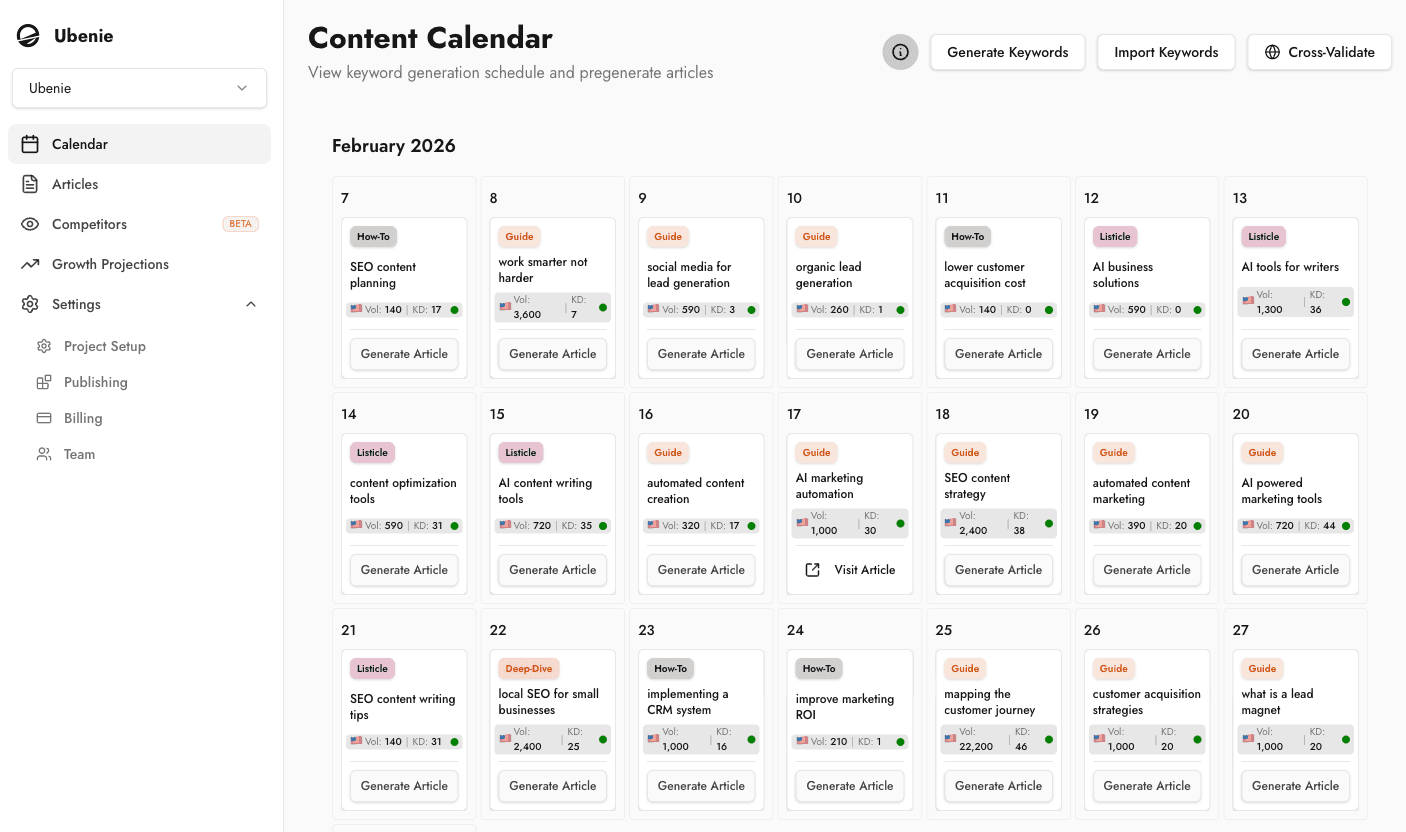

The Power of SEO Automation
According to industry data, 91% of marketers plan to increase content output, yet less than half find their processes scalable. Managing keyword research, content creation, technical audits, and rank tracking consumes immense time. For small business owners and busy marketing managers, this manual effort can feel overwhelming and unsustainable.
What if you could automate the most repetitive parts of SEO? This is where the best SEO automation tools transform labor-intensive processes into efficient engines for growth. Leveraging technology frees your time to focus on strategic decisions. We'll explore top SEO automation tools, detailing their functions and how they empower you to reclaim your schedule and enhance search visibility.
What is SEO Automation and Why Does it Matter?
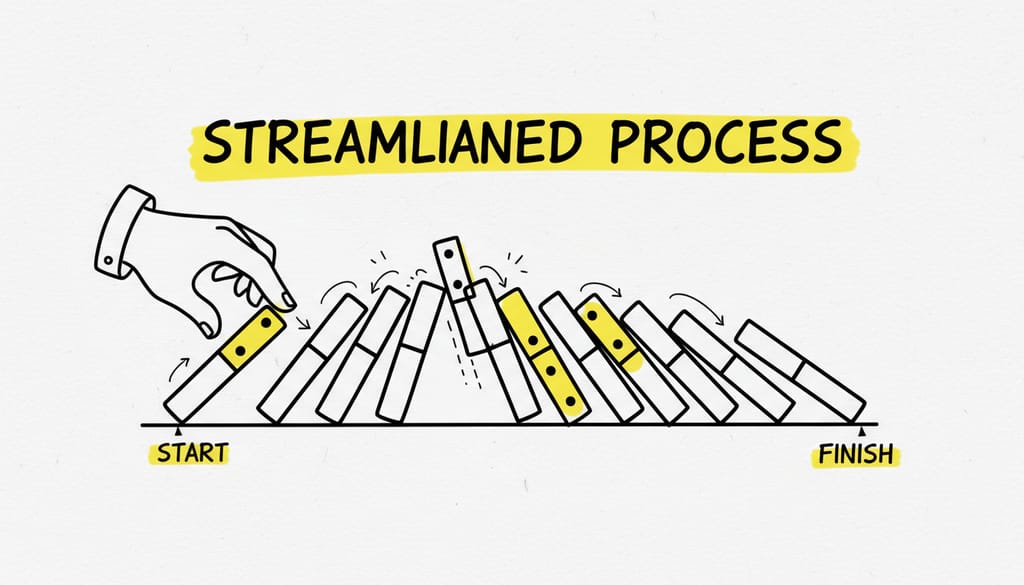
SEO Automation uses software and technology to manage repetitive SEO tasks with minimal human input. Consider it a tireless digital assistant performing complex analyses, generating reports, and even creating content around the clock. This approach augments your strategy with machine power, speed, and scale, allowing human experts to focus on high-level strategy and creativity.
Manual SEO is prone to error, incredibly time-consuming, and simply cannot scale effectively. Imagine daily checks for 100 keywords or auditing thousands of pages for errors. These tasks are impractical for any growing business. Automation solves this by executing tasks consistently and at a scale impossible for human teams.
For small businesses, this is a game-changer. It levels the playing field, allowing competition with larger corporations without a massive marketing budget. Instead of hiring an entire SEO department, a business can leverage powerful tools as dedicated Traffic Builders. This efficiency translates into a higher return on investment (ROI), as you spend less time on manual tasks and more time attracting new customers.
Note: Effective SEO automation isn't about a "set it and forget it" mentality. It's about creating efficient systems that free you up for strategic decision-making. The best tools provide data and execute tasks, but your insights guide the overall direction.
Automating Keyword Research & Opportunity Analysis

Keyword Research forms the foundation of any successful SEO strategy. Traditionally, this meant hours in spreadsheets, cross-referencing data. Today, SEO automation tools have revolutionized this, turning a painstaking task into a strategic advantage.
Automated keyword research platforms use sophisticated algorithms and AI to analyze massive datasets. Tools like Semrush, Ahrefs, and Moz Keyword Explorer uncover high-potential keywords, identify low-competition terms with high commercial intent, analyze competitor strategies, and group related terms. These tools analyze the Search Engine Results Page (SERP) for each keyword, providing insights into existing content and ranking difficulty.
Moving Beyond Volume: The Importance of User Intent
A significant advancement in automated keyword research is the ability to analyze User Intent. This refers to the underlying goal a user has during a search. Modern tools categorize keywords by intent, prioritizing content creation efforts. For example, Ubenie identifies high-intent phrases your real customers are searching for.
It automates sifting through possibilities to pinpoint exact terms that lead to conversions. This strategic focus ensures your traffic comprises qualified leads genuinely interested in your products or services. This is crucial for learning How to Write Website Content That Drives Traffic & Converts (A 5-Step Guide).
For instance, an automated tool might uncover a long-tail keyword like "SEO services for local plumbers in Austin." While search volume is lower, user intent is clear. Automating the discovery of these gems is one of the most powerful applications of the best SEO automation tools.
Success: By automating keyword research, you build a content strategy based on data-driven opportunities, not guesswork. This ensures every piece of content has a clear purpose and high potential for ranking.
AI-Powered Content Creation and Optimization
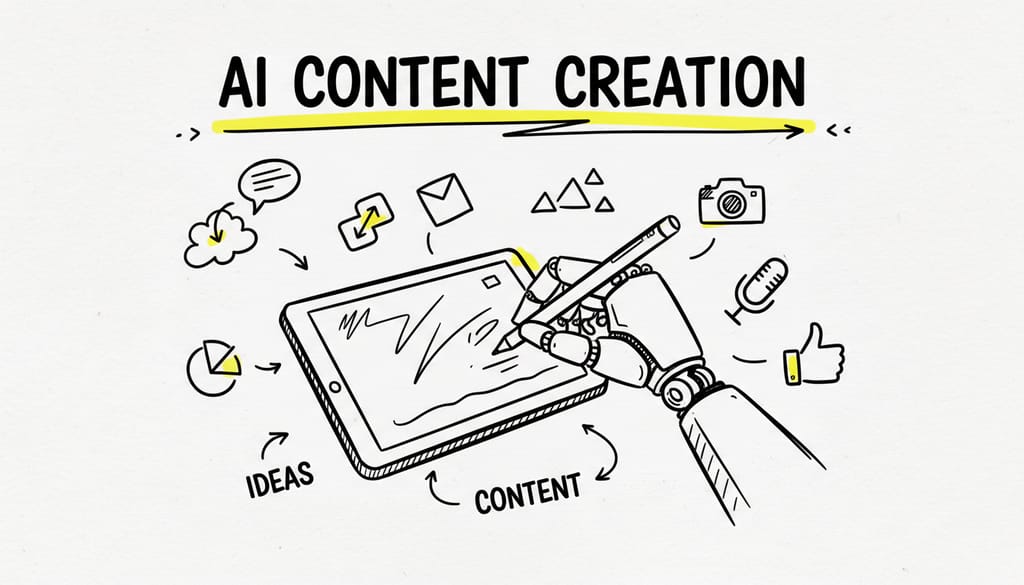
Once you have target keywords, creating high-quality, optimized content at scale is the next major hurdle. This is often the most time-consuming part of SEO. AI-powered content automation tools have made a significant impact here, with platforms like Ubenie excelling in this area.
These tools use advanced AI models to transform target keywords into fully-fledged, Google-optimized articles. The best SEO automation tools for content, such as SurferSEO, Clearscope, and Jasper, integrate competitive analysis and SERP data into the writing process. This means the AI writes with a clear strategy to outperform existing content.
An AI-powered platform like Ubenie automates this entire workflow. It takes high-intent keywords and generates complete articles designed to rank. This Blog Content incorporates SEO best practices:
- Optimized Headlines and Meta Descriptions: Crafting compelling titles and snippets for better click-through rates.
- Structured Ranking Elements: Including headings (H1, H2, H3), lists, and blockquotes that search engines favor.
- User Intent Targeting: Ensuring content directly answers the user's search query.
- Internal Linking Suggestions: Recommending links to relevant pages to improve site architecture and spread link equity.
- Human-like and Engaging Tone: Producing content that is both search engine-optimized and genuinely valuable to readers.
The result is a powerful content engine that delivers a consistent flow of high-quality articles without manual writing. You can approve, tweak, and schedule a month's worth of content in the time it usually takes to write one post. This efficiency allows you to scale content marketing in a way previously reserved for large enterprises.
Note: Human oversight is crucial for successful AI content generation. Automated tools provide excellent first drafts, but human review ensures brand voice consistency, factual accuracy, and a polished final product.
Automating On-Page SEO and Technical Audits
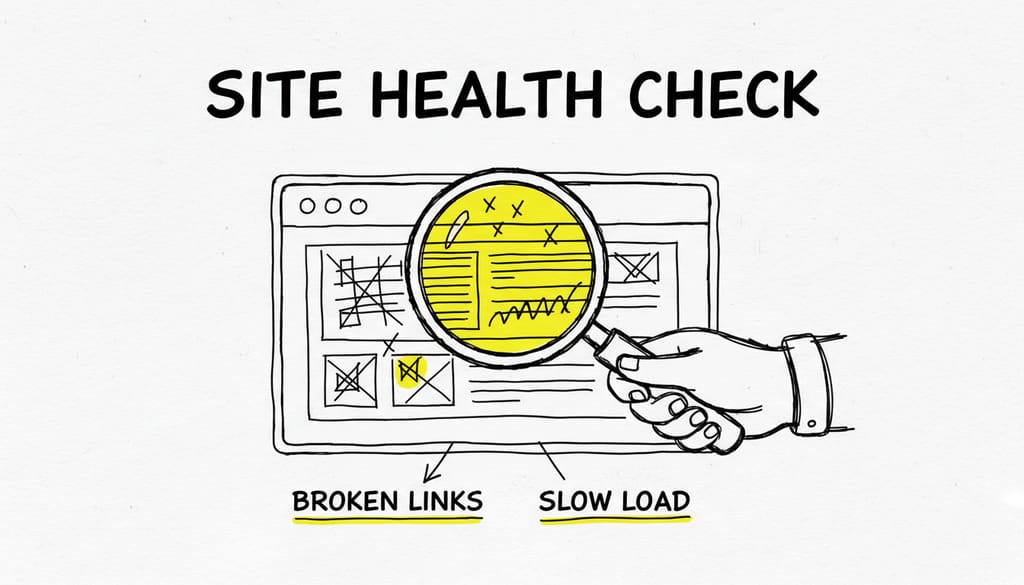
Great content alone isn't enough if your website has technical issues. On-Page SEO involves optimizing title tags, meta descriptions, header tags, image alt-text, and internal linking. A technical SEO audit checks for broken links, slow page speed, mobile-friendliness, and crawl errors that hinder search engine indexing.
Manually auditing a website, especially with thousands of pages, is tedious and error-prone. Automation provides immense value here. Tools like Screaming Frog or the audit features within suites like Semrush Site Audit and Ahrefs Site Audit can crawl your entire website in minutes, mimicking a search engine spider.
These automated crawlers generate comprehensive reports flagging issues such as:
- Missing or Duplicate Title Tags and Meta Descriptions: Pinpointing pages needing unique metadata.
- Broken Links (404 Errors): Identifying internal and external links that harm user experience and SEO.
- Image Optimization: Finding images with missing alt text or large file sizes.
- Redirect Chains: Uncovering complex redirect paths that dilute link equity.
- Thin or Duplicate Content: Highlighting pages with minimal unique content, a red flag for Google.
Scheduling regular, automated audits helps you proactively monitor website health. Tools send weekly or monthly reports, keeping you on top of technical SEO without manual checks. This continuous monitoring ensures your site remains in top shape, providing a solid foundation for your content to rank effectively. The best SEO automation tools free your time to create user value.
Streamlining Rank Tracking and Performance Reporting
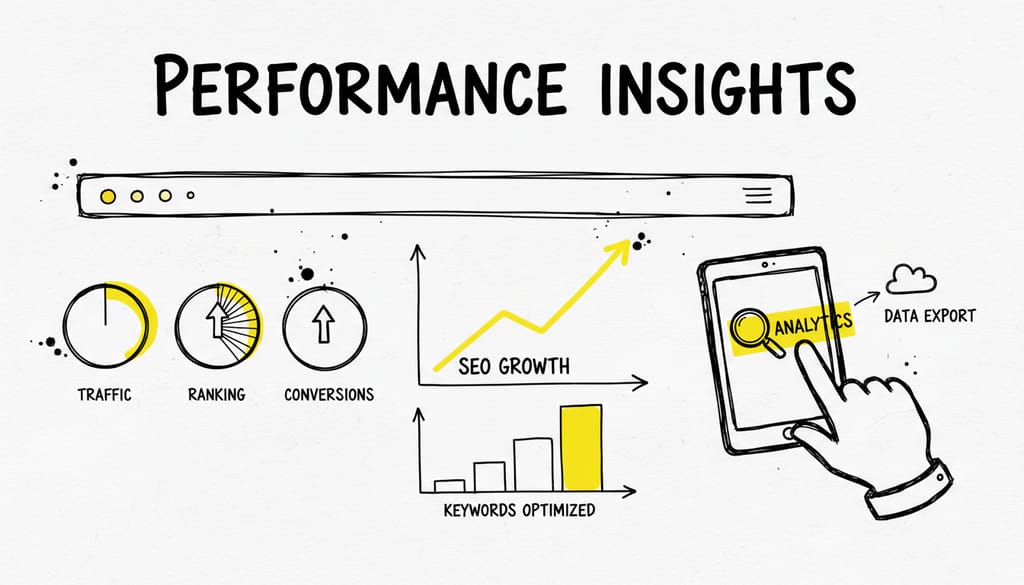
Once content is published and your site optimized, how do you measure success? By tracking your keyword Ranking positions. Knowing where your pages appear on the SERP for target keywords is a direct measure of SEO success. Manually checking rankings is time-consuming and inaccurate due to personalized search results.
Automated rank tracking tools solve this by checking keyword positions from specific geographic locations and devices, providing objective, reliable data. Leading platforms like Semrush, Ahrefs, and AccuRanker monitor rankings daily, presenting information in easy-to-understand dashboards. You see ranking history, track visibility, and identify traffic-driving keywords. This data is essential for understanding strategy effectiveness.
Modern rank trackers offer competitive insights too. You can track competitors' rankings for the same keywords, gaining a clear picture of the competitive landscape. This is critical for robust strategy, as detailed in this guide on The 7 Best SEO Tools for Competitive Analysis (2026 Guide). Seeing competitor ranking jumps can alert you to new content or strategy shifts, enabling quick reactions.
Automated reporting is another huge benefit. Instead of compiling data manually, these tools automatically generate and email customized reports. You can set up weekly ranking change reports or monthly traffic summaries. This keeps you and stakeholders informed without adding tasks, providing a vital feedback loop for informed decisions and demonstrating SEO ROI.
Advanced Automation: Link Building and Competitive Intelligence
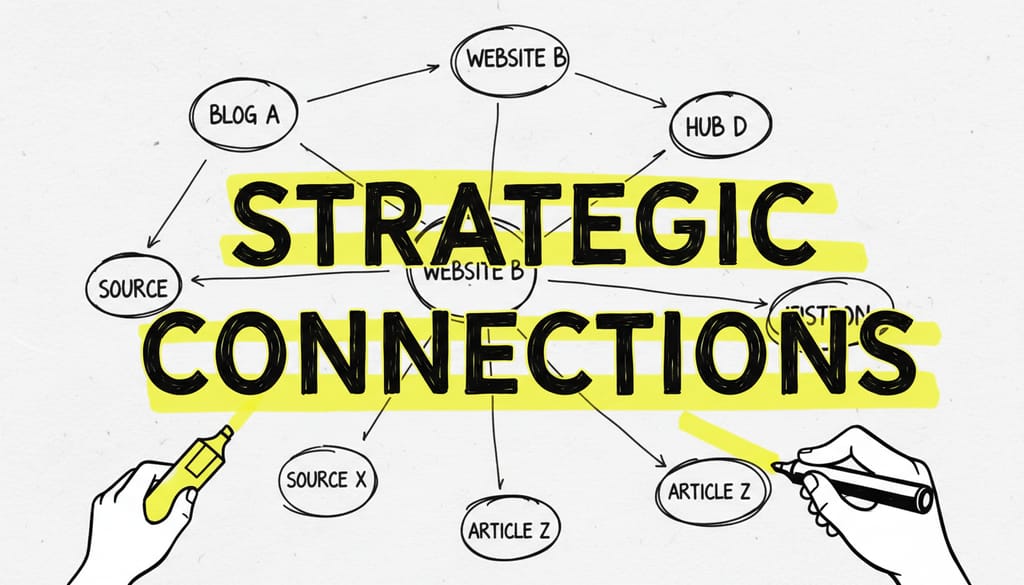
Beyond core SEO, advanced automation tools streamline challenging aspects like link building and competitive intelligence. Link building, acquiring hyperlinks from other websites, remains a powerful ranking factor but is notoriously difficult and time-consuming.
Automation speeds up prospecting and outreach. Tools like Ahrefs and Semrush help identify backlink opportunities from high-authority sites. Specialized outreach tools like Hunter.io or BuzzStream help find contact information for relevant websites at scale and manage outreach campaigns. You can create email templates, schedule follow-ups, and track response rates from one dashboard. This systematizes the process, allowing you to reach more prospects efficiently.
For competitive intelligence, automation is invaluable. Instead of manual checks, set up automated alerts for competitor activities. Get notifications when a competitor publishes new content, gets news mentions, or earns a backlink from a high-authority site. This keeps you updated on their strategy in real-time. Understanding their tactics helps identify gaps and new opportunities, crucial for sustainable growth, as explored in Content Marketing vs SEO: A Case Study on Driving Real Growth.
Here is a breakdown of how automation applies to different facets of SEO:
| SEO Category | Manual Task Example | Automated Solution Example | Primary Benefit |
|---|---|---|---|
| Keyword Research | Brainstorming ideas and checking volumes one by one in a tool. | AI-driven platforms like Ubenie, Semrush, or Ahrefs that analyze SERPs and find low-competition opportunities. | Time Savings & Strategy |
| Content Creation | Writing a 2,000-word blog post from scratch. | Generating a complete, SEO-optimized draft with Ubenie, SurferSEO, or Jasper based on a target keyword. | Scalability & Speed |
| Technical SEO | Manually checking pages for broken links and missing meta tags. | Scheduling a weekly site crawl with Screaming Frog, Semrush, or Ahrefs that automatically reports all errors. | Accuracy & Prevention |
| Rank Tracking | Googling your top 10 keywords every day to see where you rank. | Daily, non-personalized tracking of hundreds of keywords across devices with Semrush, Ahrefs, or AccuRanker. | Data Reliability |
| Link Building | Manually searching for websites and finding email addresses for outreach. | Using tools like Ahrefs, Semrush, or BuzzStream to scrape prospects and manage outreach campaigns. | Efficiency & Scale |
Automating these advanced tasks enables a level of sophistication and efficiency once reserved for large agencies. This builds a more robust, resilient SEO strategy that consistently drives results.
The Future of SEO Automation: Predictive Analytics and AI Integration

The world of SEO constantly evolves, and automation's future is exciting. We are moving beyond simple task automation into proactive, predictive, and deeply integrated AI. The next generation of the best SEO automation tools will not just report on the past; they will forecast the future and recommend strategic actions.
Predictive analytics is a promising frontier. Future tools will leverage machine learning to forecast keyword trends, predict content ranking potential, and estimate traffic impact of technical changes. Imagine a tool recommending specific content to capture emerging interest based on projected keyword volume increases. This shifts the strategist's role from reactive to proactive, allowing businesses to get ahead.
AI integration will deepen significantly. The future lies in tools that don't just perform isolated tasks but create a cohesive, intelligent ecosystem. Your SEO platform will seamlessly integrate with your CMS, CRM, and analytics. This holistic view enables powerful automation. For example, an SEO tool could identify a high-ranking blog post with low conversion, then automatically trigger A/B tests on its CTA.
AI will also expand its role in content optimization. Tools will automatically update older blog posts to maintain relevance and dynamically adjust internal links based on page performance. The goal is a self-optimizing website where the SEO platform continuously improves performance with minimal manual input.
For business owners, this future means SEO will become more accessible and powerful. The focus will shift further from manual execution to strategic oversight, allowing you to leverage a sophisticated digital marketing machine without needing a Ph.D. in search algorithms.
Conclusion
Digital marketing is fiercely competitive, and manual SEO is unsustainable for scaling businesses. The best SEO automation tools are not luxuries but necessities for efficient, effective, and data-driven growth. From uncovering keyword opportunities and generating optimized content to monitoring technical health and tracking performance, automation touches every facet of a successful SEO strategy.
Embracing these tools transforms SEO from a chore into a powerful, automated engine. It consistently drives organic traffic, generates qualified leads, and increases sales. Automation reclaims your time, reduces human error, and empowers strategic decisions based on real-time data. Whether you're a small business owner, marketing manager, or solopreneur, leveraging automation is key to unlocking your website's true potential and achieving long-term search ranking success.
Frequently Asked Questions
What is the main benefit of using SEO automation tools?
The primary benefit is efficiency. SEO automation tools handle repetitive, time-consuming tasks like keyword research, rank tracking, and site audits. This frees up valuable time for you to focus on high-level strategy, content quality, and other core business activities, allowing you to scale your SEO efforts and improve your ROI.
Can SEO automation replace human SEO experts completely?
No, automation is designed to augment, not replace, human expertise. While tools execute tasks and provide data, they lack the creativity, strategic thinking, and nuanced understanding of a brand's voice and audience. The best results come from a partnership where automation handles grunt work and humans guide the overall strategy, interpreting data and making informed decisions.
Are free SEO automation tools effective?
Free tools are useful for specific, limited tasks, such as basic keyword searches or single-page analyses. However, they typically lack the power, scale, and comprehensive features of paid platforms. For businesses serious about growth, investing in robust, paid SEO automation tools provides a much higher return through accurate data, broader capabilities, and significant time savings.
How do I choose the right SEO automation tool for my business?
Consider your primary needs and budget. If content creation and keyword opportunity identification are your biggest challenges, a platform like Ubenie is ideal. For comprehensive technical audits and backlink analysis, tools like Ahrefs or Semrush might fit better. Many platforms offer free trials, so test a few to find the best fit for your workflow.
What's the difference between an all-in-one suite and a specialized tool?
All-in-one suites, like Semrush or Ahrefs, offer a wide range of tools covering keywords to link building in one subscription. Specialized tools, such as Screaming Frog for technical audits or Ubenie for AI content, focus on doing one thing exceptionally well. The choice depends on your needs: an all-in-one for comprehensive tasks, or a specialized tool for a specific bottleneck like content production.
Tired of struggling with SEO and content marketing? Automate your traffic growth and focus on what you do best. Visit our website to discover how we can help you achieve higher search rankings and more leads.
Article created using Ubenie.