


Even the best and most useful content in the world will not be read if it is formatted incorrectly.
This is a scenario I see play out constantly. A user lands on an article from Google, sees an intimidating, unformatted wall of text, and immediately bounces. The right blog writing format is not an enhancement, it is the foundation that makes your message accessible, engaging, and effective for both users and search engines.
Let's find out why it is so important, and how the most visited blogs in the world are structuring their articles.
The critical link between blog format, engagement, and SEO
When users arrive at your content, they don't want to read - they want a quick answer.
They make a split-second judgment and if dense paragraphs hide that answer, they leave unhappy and search for another page that will provide that answer.
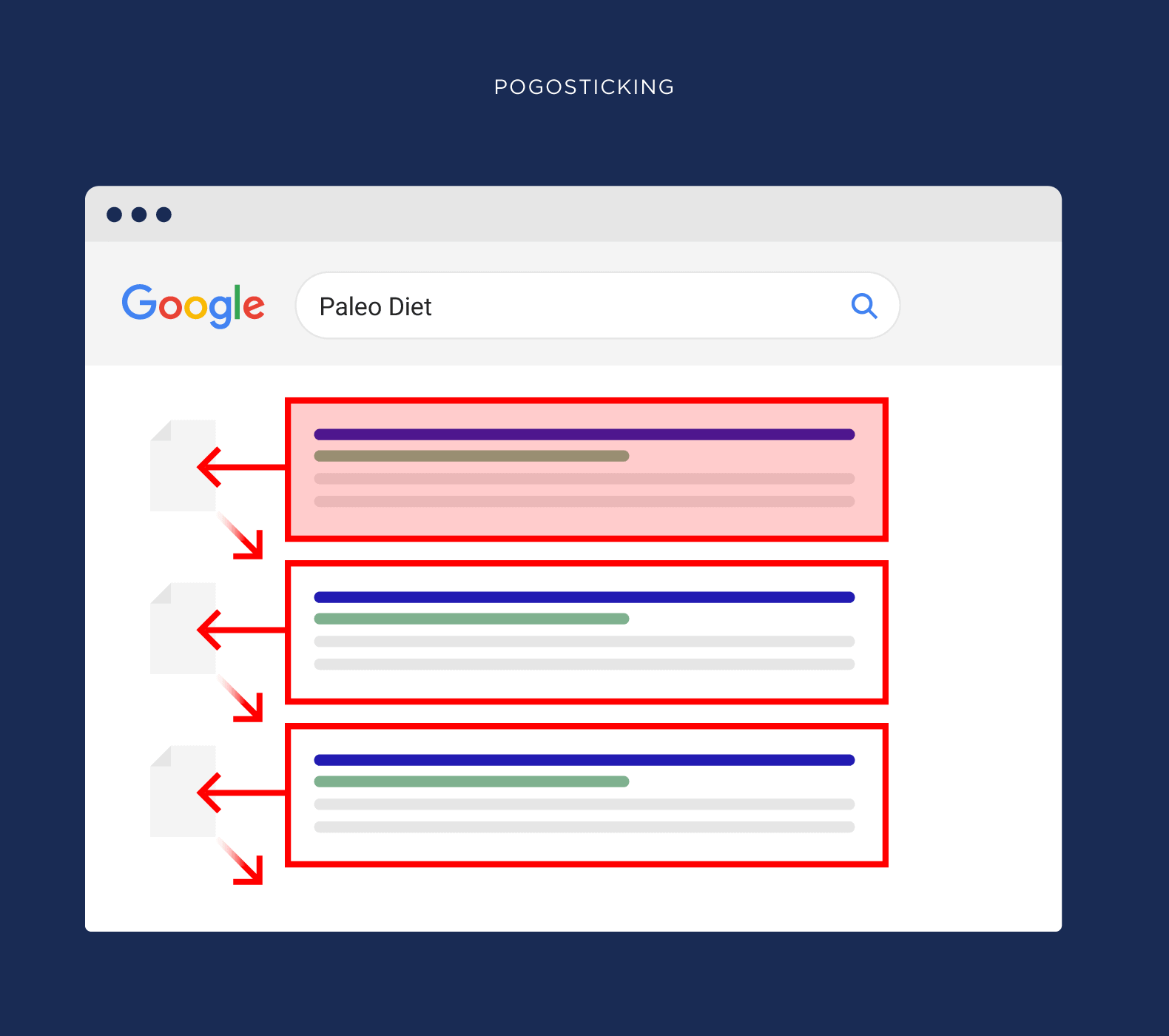
This is the low-quality signal to Google, which people also call pogo-sticking and can directly harm your search engine visibility over time.
While trying to build the best Blog Generation tool for Ubenie, I spent countless hours analyzing the blogging formats of top-performing companies. I discovered a clear pattern: the brands that excel at SEO are phenomenal at structuring blog articles.
They understand that a great blog format enhances the user experience, which is a primary ranking factor for modern search engines.
Ultimately, the goal is to create content that feels effortless to consume.
A well-structured article guides the reader, makes key information easy to find, and encourages them to stay, read, and engage. This positive behavior is precisely what search algorithms are designed to reward.
First, capture attention
A reader’s first second on your page determines whether they stay or go.
The formatting of your introduction is your single best tool to capture their attention immediately. The perfect copywriting works, but it takes time to learn.
On the other hand the visual impact is something you can learn and implement right away, and here are two formatting elements that are essential for a powerful opening.
The Hook
This is a single, compelling sentence that opens the article. It should be visually distinct, often with a larger font size and separated by white space from the rest of the introduction.
This makes the hook immediately noticeable and, if written well, creates enough curiosity to draw the reader in.
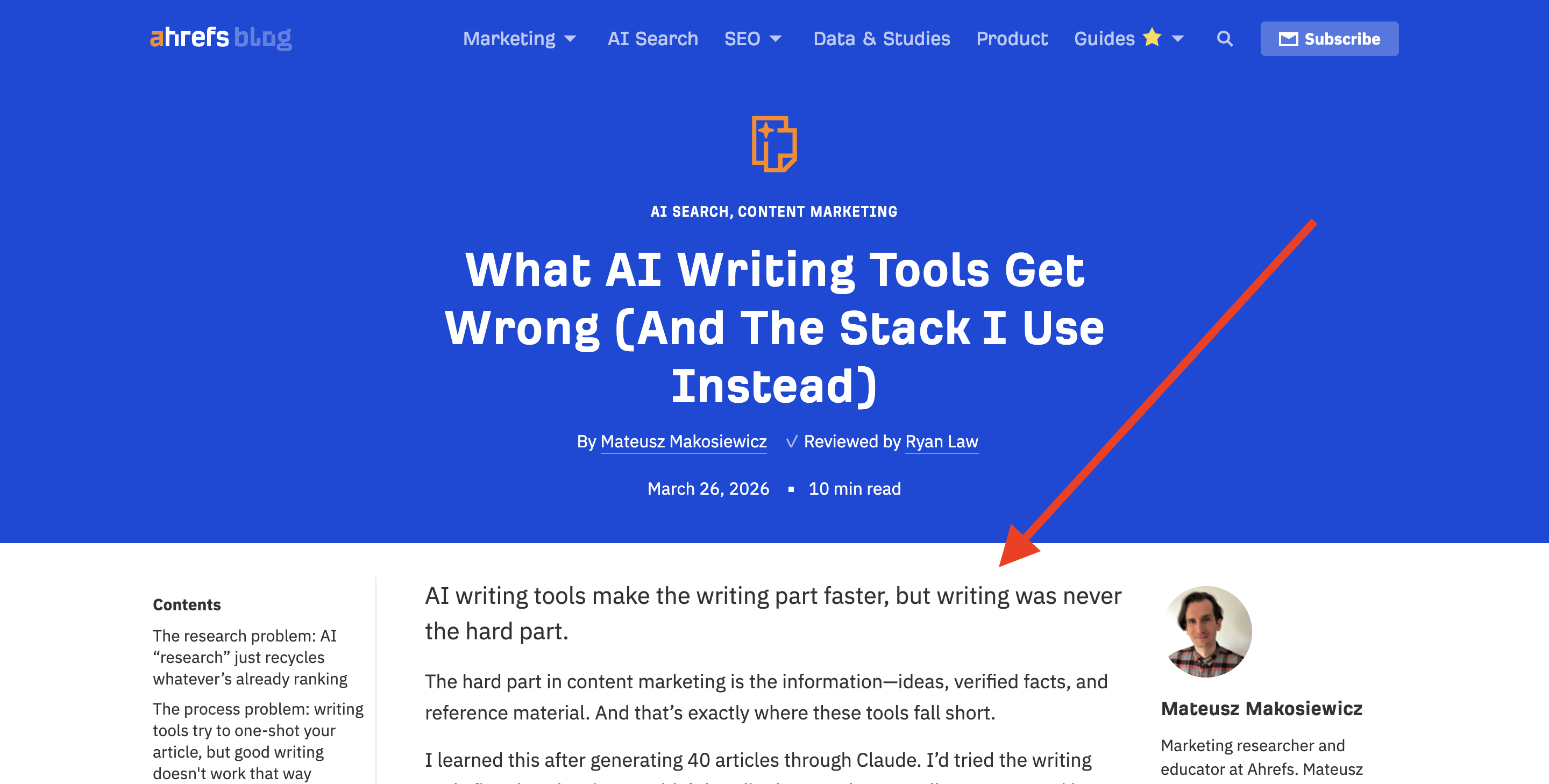
If you go to the Ahrefs blog, you'll find out that they open almost every single article with this exact method. They are one of the most visited and cited blogs in the world, and that is not an accident.
Implementing this hook trick to our blog generation tool was probably the single biggest win we ever had (measured by the number of our users who personally thanked us)...
The TLDR
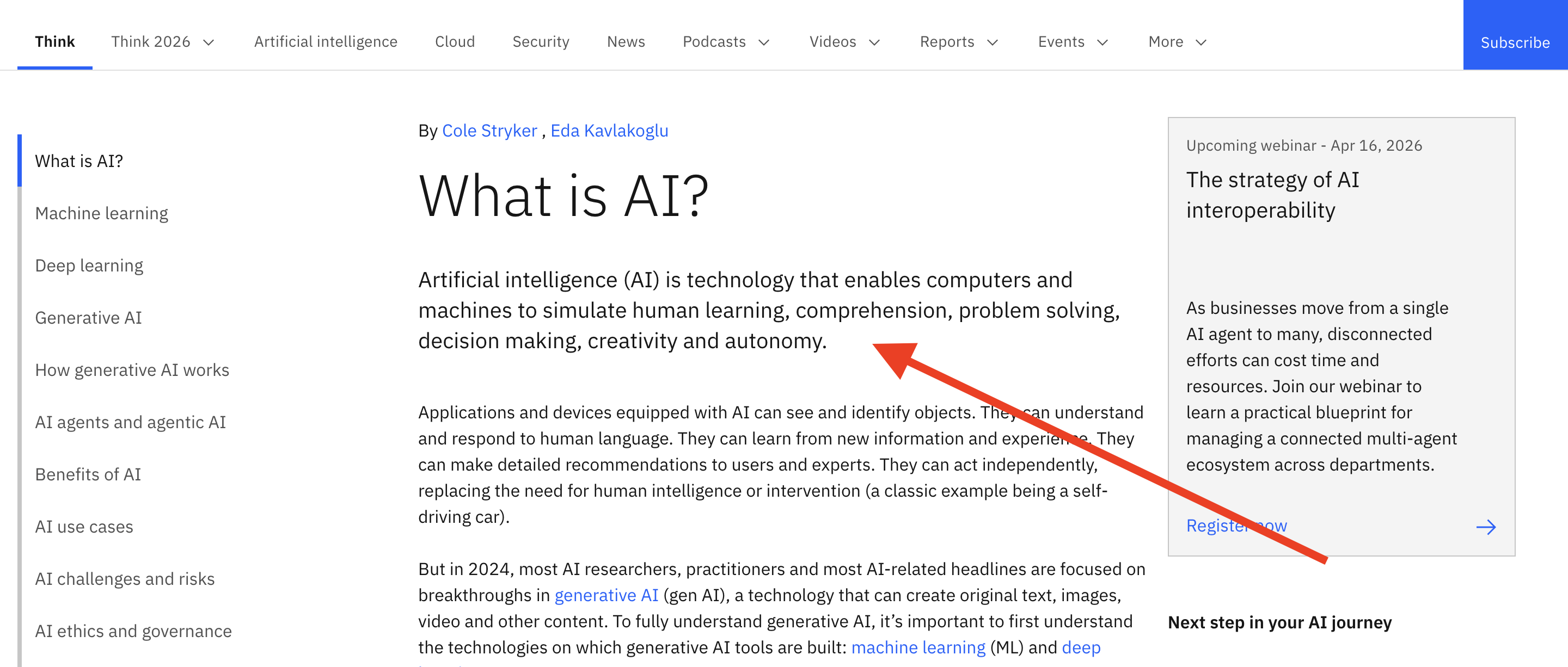
This stands for “Too Long; Didn’t Read.” Placing a highlighted TLDR section right after the hook provides an immediate summary of the article's key takeaways.
This brilliant tactic does a few critical things:
- satisfies searcher intent instantly, giving impatient readers the answer right away
- prevents them from bouncing back to the search results page and encourages them to explore the rest of the content with their initial need already met.
If you check the IBM Blog, you'll see this exact pattern and a funny thing in this exact article that I linked is that it ranks number 1 in Google for "AI" keyword beating industry giants like OpenAI that even has that keyword in it's name and URL, crazy.
Implementing these elements ensures your article makes a strong first impression. It signals to the reader that you value their time and are committed to delivering information clearly and efficiently.
Then enhance readability
Once you have captured the reader's attention, the next challenge is to maintain it. The number 1 reason for losing reader engagement is the dreaded “wall of text.”
Long, dense blocks of writing are intimidating and difficult to read, especially on mobile devices.
To create a highly readable and engaging experience, marketers must focus on two principles: brevity and variety.
Short Paragraphs - Forget what you learned in school about paragraph length. In digital content, paragraphs should be exceptionally short, ideally two to three sentences, and never more than four.
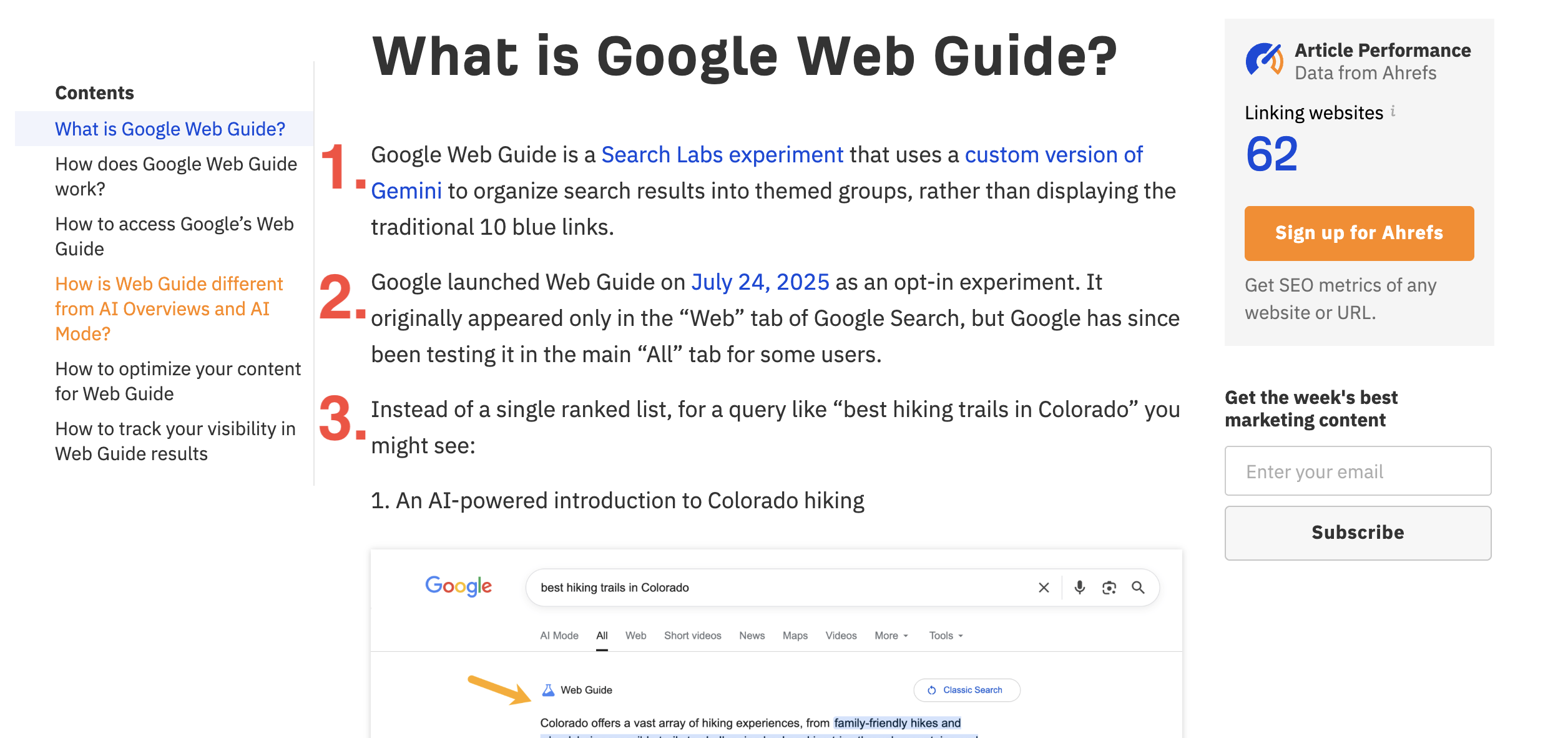
This creates a scannable, almost staccato reading experience that feels fast and effortless. Remember, people visit your blog for answers, not to read a novel.
Dynamic Breaks - Never stack more than two or three short paragraphs consecutively. Instead, break up the text with different formatting elements.
This creates visual interest and makes the content more dynamic and engaging. Use a variety of effective breaks like:
- include bullet points
- numbered lists
- block quotes
- informational callouts.
This keeps the reader’s mind active and prevents fatigue. For instance, bullet points are perfect for listing features or steps, while block quotes are excellent for emphasizing a powerful statement or statistic.
In fact, list-based articles are one of the most popular formats, with research showing that 54% of bloggers regularly publish listicles (Semrush).
This data confirms that readers prefer content broken down into digestible pieces.
By keeping paragraphs short and introducing regular, varied breaks, you transform a potentially boring article into an engaging and easy-to-follow guide. This approach respects the user's time and reading habits, leading to longer session durations and a more positive perception of your brand.
Boost engagement and credibility
Beyond text formatting, several other elements can dramatically improve your article's performance. Incorporating visuals, a frequently asked questions section, and data-backed claims will make your content more interesting, credible, and useful.
Add Relevant Images
Visuals are essential for breaking up text and making your blog more engaging. More importantly, they significantly boost viewership.
According to extensive blogging research, posts that include relevant images get 94% more views than those without them (Elementor). Images, screenshots, and infographics can illustrate complex points, provide visual proof, and make the content more memorable and shareable.
Answer User Questions with an FAQ
An FAQ section is a powerful tool for satisfying user intent. Marketers can use Google’s “People Also Ask” (PAA) feature to find the exact questions users are asking about a topic.
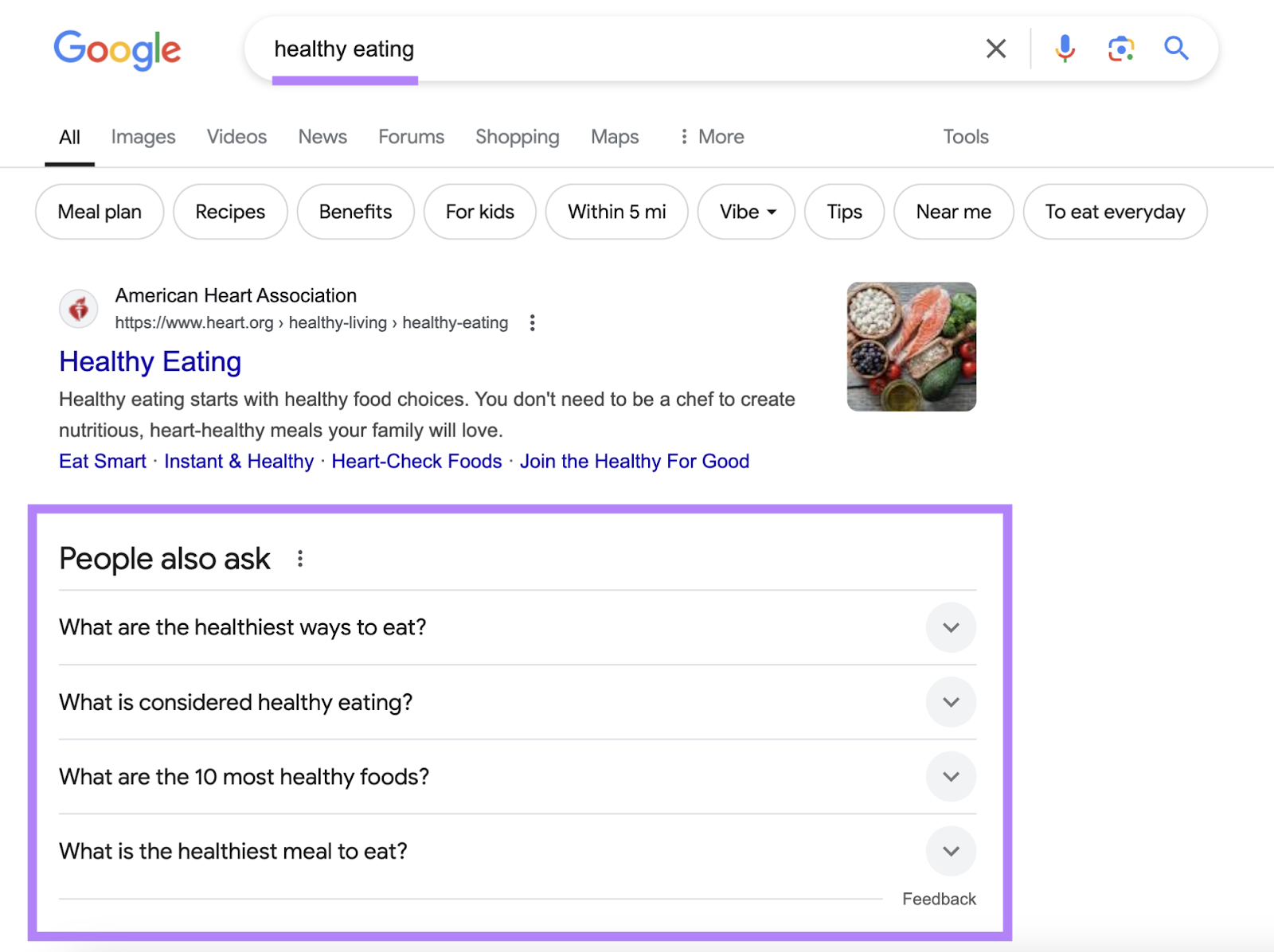
Answering these directly in your article feels like you are reading the user’s mind, providing immense value. This also helps your content rank for a wider range of long-tail keywords and capture featured snippets.
You can type the keyword in Google search and scroll down to find the PAA section with questions, or you can use our free PAA finder to quickly gather these questions and integrate them into your content strategy.
Back Up Claims with Data
Any time you make a claim, supporting it with a statistic or data point adds a layer of authority and credibility.
This practice builds trust with your audience, positioning your brand as a reliable source of information. Data-backed content is also more likely to be cited and shared by others, which can be a powerful driver of backlinks and referral traffic.
By integrating these elements, you elevate your blog post from a simple article to a comprehensive and trustworthy resource that fully serves the reader's needs.
Learn from the best, studying industry leaders
You do not need to reinvent the wheel to create a winning blog format.
The most effective strategies are already being used by industry leaders who have invested heavily in content marketing and SEO. By studying the blogs of major companies like Ahrefs and IBM, you can see all of these principles in action.
They have already done the research for you.
These companies treat blog formatting as a science because they know it directly impacts their bottom line. A well-formatted post keeps users engaged, builds brand authority, and, most importantly, ranks high on Google to drive organic traffic and leads. Analyzing their approach provides a clear, actionable template for success.
One video I recommend to everyone starting with writing articles
You will notice Neil talks about the most basic stuff, but as he said, it allows him to generate 37,000 visitors per blog post. This highlights the fact that basics can get you further than you can imagine
One last thing
I'm a strong believer in 80:20 rule when it comes to great blog writing. The 20% of the core things give the 80% of the positive results, and those 20% of things are exactly the ones I've added to this article.
Don't overcomplicate it, stick with the basics, and start today. Until next time, bye!