
Search Engine Optimization (SEO) can often feel like a complex puzzle with a thousand moving pieces. Just when you think you've figured it out, a new algorithm update or strategy emerges. However, at its core, SEO can be broken down into two fundamental pillars: on-page SEO and off-page SEO. Understanding the distinction between these two is the first step toward building a powerful, sustainable strategy for driving organic traffic to your website.
For many small business owners and marketing managers, the debate of on-page SEO vs off-page SEO can be confusing. Which one should you focus on first? Where should you invest your limited time and budget? The truth is, it’s not an either/or question. Both are essential for long-term success, but they play vastly different roles. This guide will demystify both concepts, compare them head-to-head, and help you understand when to prioritize each one to achieve maximum impact for your business.
What is On-Page SEO?
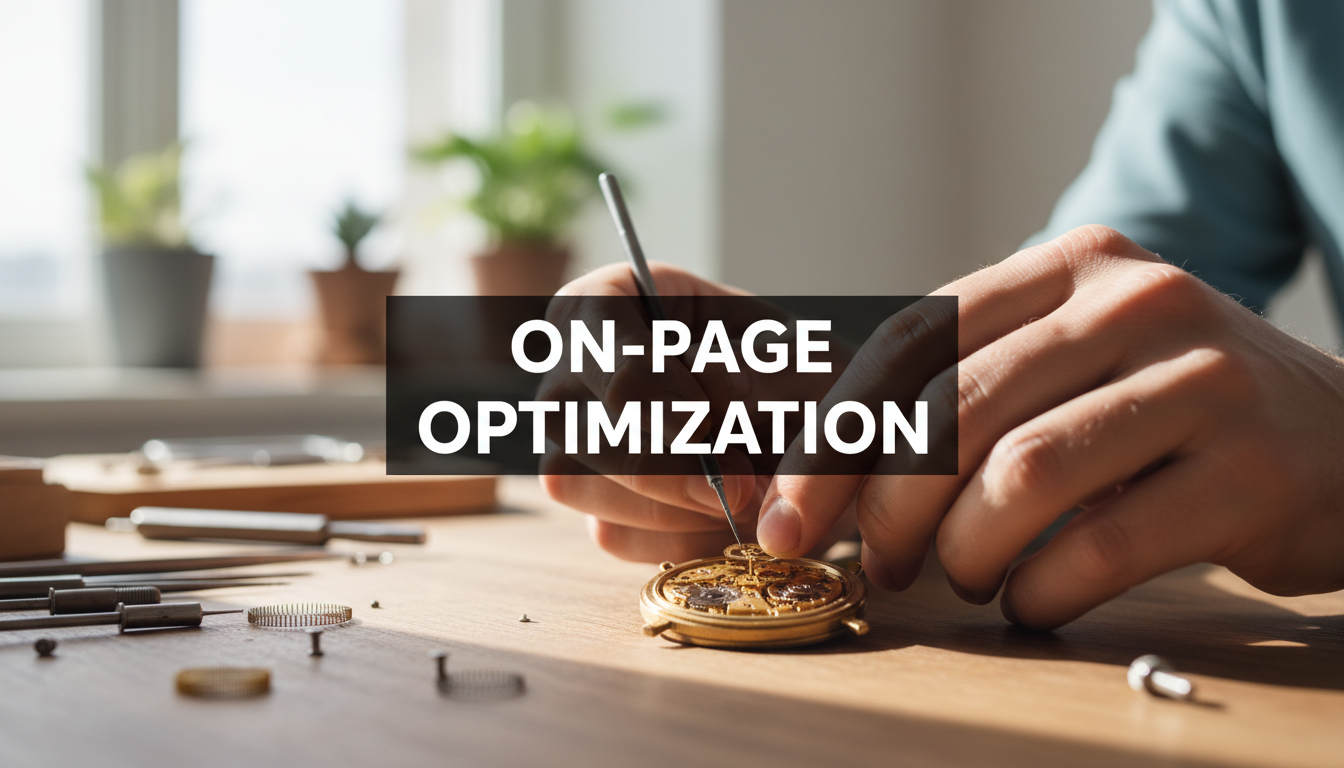
On-Page SEO refers to all the optimization measures you can take directly within your own website to improve its position in the search engine rankings. Think of it as getting your house in order. It involves optimizing both the content and the underlying HTML source code of a page. When you perform on-page SEO, you're making it as easy as possible for search engines like Google to understand what your content is about and why it's relevant to a user's search query.
This is the foundation of any successful SEO strategy. Without a solid on-page foundation, your off-page efforts will be far less effective. For businesses looking to streamline this foundational work, this is where Automated SEO platforms shine. For example, a tool like Ubenie focuses heavily on generating Google Optimized Content from the start, automatically handling many critical on-page elements like keyword placement, header structure, and meta descriptions, freeing you up to focus on the bigger picture.
Key Elements of On-Page SEO
On-page SEO is a multi-faceted discipline. Here are the most critical components you have direct control over:
High-Quality Content: This is the cornerstone. Your content must be valuable, comprehensive, and satisfy the user's intent. It should answer their questions thoroughly and be more informative than what competitors offer. This includes well-written text, engaging visuals, and a clear structure.
Keyword Research and Optimization: This involves identifying the terms your target audience is searching for. It's not just about finding any keywords, but about finding Low-Competition Keywords and High-Potential Keywords that you have a realistic chance of ranking for. Once identified, these keywords should be integrated naturally into your content, including title tags, headers, and the body text.
Title Tags and Meta Descriptions: The title tag (
<title>) is the clickable headline that appears in search results, while the meta description is the short snippet of text below it. Both need to be compelling, include your primary keyword, and entice users to click. They are your first impression on the SERP (Search Engine Results Page).Header Tags (H1, H2, H3): Headers structure your content, making it easier for both users and search engines to read and understand. Your main title should be an H1 tag, with subheadings as H2s and H3s to create a logical hierarchy.
URL Structure: Your URLs should be clean, descriptive, and include your target keyword. A simple URL like
yourdomain.com/on-page-seo-guideis far better thanyourdomain.com/p?id=123.Internal Linking: This is the practice of linking to other relevant pages on your own website. It helps search engines discover your content, understand the relationship between pages, and spread link equity (ranking power) throughout your site.
Image Optimization: All images should have descriptive alt text. This helps search engines understand the image's content and improves accessibility for visually impaired users. Compressing images to ensure they load quickly is also a critical on-page factor.
Page Speed and Mobile-Friendliness: Your website must load quickly and function perfectly on all devices, especially mobile. Google uses mobile-first indexing, meaning it primarily looks at the mobile version of your site for ranking. According to a comprehensive guide on on-page ranking factors, these technical aspects are non-negotiable for modern SEO.
Ultimately, on-page SEO is about creating the best possible user experience while clearly communicating your content's relevance to search engines. For a deeper dive, check out this list of The 10 Best On-Page SEO Tools to Dominate SERPs in 2024.
Note: On-page SEO is an ongoing process. Regularly auditing your content and technical elements is key to maintaining and improving your rankings over time.
What is Off-Page SEO?
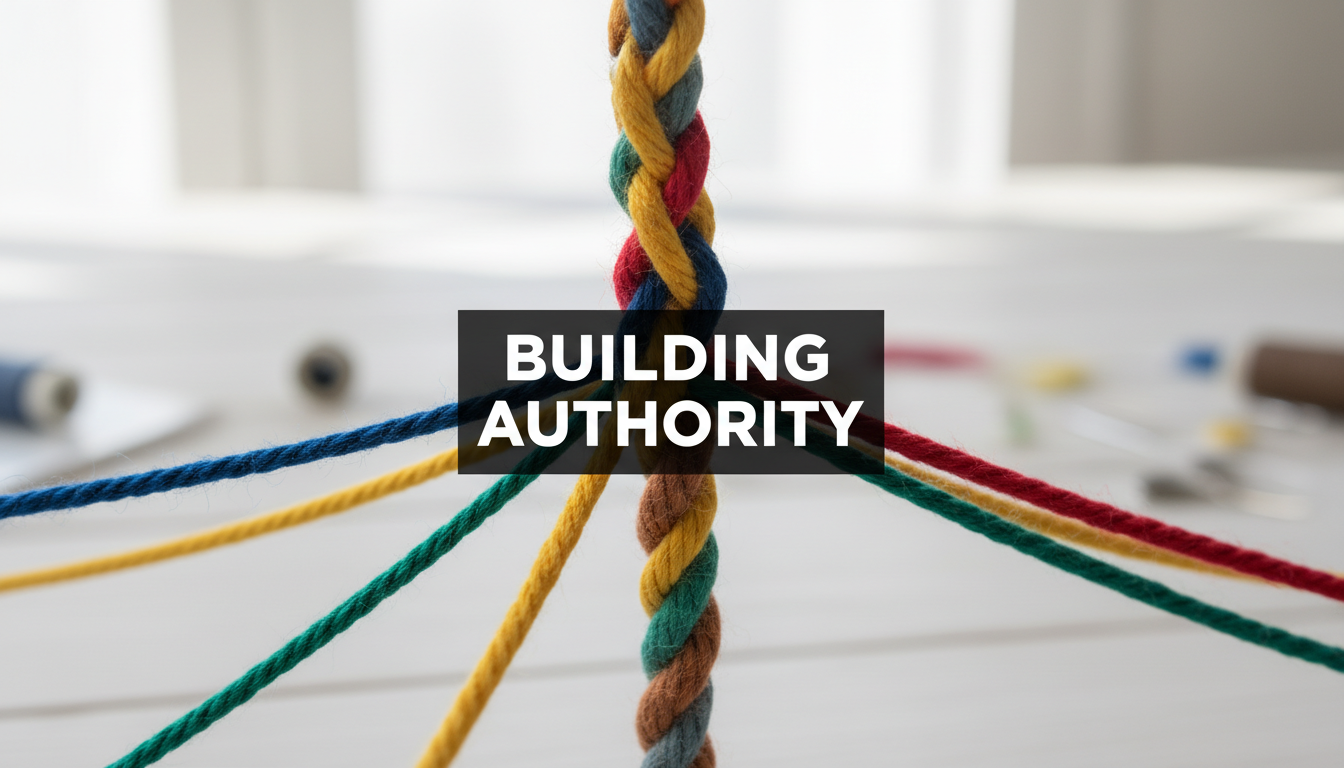
Off-page SEO encompasses all the actions taken outside of your own website to impact your rankings within search engine results pages. While on-page SEO is about building a great site, off-page SEO is about building your site's authority, credibility, and reputation across the web. It's essentially a process of demonstrating to search engines that your content is valuable and trusted by others.
The most significant and well-known component of off-page SEO is backlink building. A backlink is a link from another website to yours. Google views backlinks as votes of confidence. If a reputable website links to your page, it signals to Google that your content is trustworthy and authoritative, which can significantly boost your rankings.
Key Elements of Off-Page SEO
While link building is central, off-page SEO includes a variety of tactics aimed at building your brand's online presence:
Backlink Building: This is the primary focus. However, not all links are created equal. The goal is to earn high-quality backlinks from relevant, authoritative websites in your industry. Tactics include guest blogging, broken link building, creating shareable infographics, and publishing original research that others will want to cite. According to industry experts, backlinks remain a top off-page ranking factor because they are a direct measure of a site's authority.
Brand Mentions: Even when a website mentions your brand name without linking to you, it can be a positive signal to search engines. Google is smart enough to associate these mentions with your brand and use them as a measure of authority.
Guest Blogging: Writing articles for other reputable websites in your niche is a powerful way to get your name out there, drive referral traffic, and build high-quality backlinks.
Social Media Marketing: While links from social media posts are typically 'nofollow' (meaning they don't pass direct SEO authority), a strong social media presence builds brand awareness and can lead to your content being discovered and linked to by others. It's an important channel for content distribution and engagement.
Influencer Marketing: Collaborating with influencers in your industry can expose your content to a wider audience, leading to more shares, brand mentions, and potentially backlinks.
Local SEO (Google Business Profile): For businesses with a physical location, optimizing your Google Business Profile is a critical off-page tactic. Customer reviews, consistent NAP (Name, Address, Phone Number) information across directories, and local citations all contribute to your local search authority.
Online Reviews: Positive reviews on sites like Yelp, G2, Capterra, or industry-specific review sites build trust with both potential customers and search engines.
Off-page SEO is fundamentally about building relationships and creating content so valuable that other people want to talk about it and link to it. This is where creating exceptional content with a tool like Ubenie pays dividends beyond just on-page optimization; great content becomes a linkable asset that fuels your off-page strategy.
Success: A successful off-page SEO strategy results in a diverse portfolio of backlinks, positive brand mentions, and a strong reputation that search engines reward with higher rankings.
On-Page SEO vs Off-Page SEO: The Core Differences
Now that we've defined both, let's put them side-by-side. It's crucial to understand that on-page and off-page SEO are not opposing forces; they are two sides of the same coin, working together to achieve the goal of higher search rankings. The main difference lies in where the activities take place and what they signal to Google.
On-page SEO signals relevance. It tells Google what your page is about. By optimizing your content, keywords, and HTML, you're providing clear clues about the topics you cover and the search queries you should rank for.
Off-page SEO signals authority and trust. It tells Google how important and respected your page is. When other high-quality sites link to you, it validates your content and tells Google that you are a credible source of information.
Here’s a breakdown of the key distinctions in a table:
| Feature | On-Page SEO | Off-Page SEO |
|---|---|---|
| Primary Goal | To make content relevant and easily understood by search engines and users. | To build website authority, trust, and reputation across the web. |
| Area of Focus | Elements within your website (content, HTML, site structure). | Activities outside of your website (backlinks, brand mentions, social signals). |
| Key Tactics | Keyword research, content creation, title tag optimization, internal linking. | Link building, guest blogging, social media marketing, influencer outreach. |
| Level of Control | 100% direct control. You can change any element at any time. | Indirect control. You influence others but cannot force them to link to you. |
| Measurement | Technical audits (e.g., using Google Search Console), keyword ranking reports, on-site engagement metrics. | Backlink profile analysis (e.g., using Ahrefs or Moz), Domain Authority/Rating scores, referral traffic. |
| Timeline for Results | Can see results relatively quickly after implementation (days to weeks). | A long-term strategy that builds momentum over months or even years. |
An effective SEO strategy requires a deep understanding of both. You can learn more by reading the On-Page vs Off-Page SEO: The Definitive Guide for 2024, which provides a comprehensive overview of how to balance these two critical areas.
When to Prioritize On-Page SEO

While both are necessary for long-term success, there are specific situations where your primary focus should be squarely on on-page SEO. Neglecting this foundation is like trying to build a skyscraper on sand—it’s destined to fail.
Here are the key scenarios when you should prioritize on-page optimization:
1. When Launching a New Website or Business
If your website is brand new, you have a blank slate. Before you even think about asking for backlinks or promoting your content, you must ensure your own site is perfectly optimized. This is the time to establish a logical site architecture, conduct initial keyword research, and create your core pages and blog posts following all SEO Best Practices. Your goal is to make your site as appealing as possible to both users and search engine crawlers from day one.
2. When Your Rankings Are Stagnant or Dropping
A drop in rankings is often a sign of an on-page issue. Perhaps your content has become outdated, a competitor has published something better, or a technical issue like slow page speed is holding you back. A thorough on-page audit can help you identify and fix these problems. This involves a deep Competitor Analysis to see what top-ranking pages are doing right and where you can improve.
3. When You Have a High Bounce Rate or Low Dwell Time
If visitors are landing on your page and leaving immediately (high bounce rate), it's a strong signal to Google that your content isn't meeting their needs. This is a classic on-page problem. You need to analyze the user experience. Is the content hard to read? Does the page load too slowly? Is the information not what the user expected based on your title and meta description? Improving content quality, readability, and page layout are on-page fixes that can solve this.
4. Before Starting a Major Content Marketing or Link-Building Campaign
Attempting to build links to poorly optimized pages is a waste of resources. Why would anyone link to a page that is slow, poorly written, or not relevant to the topic? Your on-page SEO must be flawless before you begin outreach. Every piece of content you produce should be a valuable asset worthy of earning links. This is where an AI content generator like Ubenie is invaluable, ensuring that every article is optimized and rank-ready before you even think about promoting it.
Warning: Jumping into off-page SEO without a solid on-page foundation is one of the most common and costly mistakes in SEO. Always fix your own house before you invite guests.
When to Prioritize Off-Page SEO
Once your on-page SEO is in excellent shape, it's time to shift more focus to building your site's authority in the wider digital ecosystem. Off-page SEO is what will take you from being a well-structured but unknown site to an authoritative leader in your niche.
Here are the scenarios where prioritizing off-page SEO makes the most sense:
1. When Your On-Page SEO is Solid
After you've optimized your site structure, content, and technical elements, and you're consistently publishing high-quality, keyword-targeted content, your foundation is set. Now, the main factor holding you back is likely a lack of authority. This is the perfect time to pivot your efforts toward strategic link building and brand promotion to show Google that you are a credible source.
2. When You're in a Highly Competitive Niche
In competitive industries, almost everyone has their on-page SEO dialed in. The top-ranking sites all have fast-loading pages, excellent content, and perfect keyword optimization. In these cases, the primary differentiating factor is often Domain Authority, which is built almost entirely through off-page signals like backlinks. To break into the top spots, you need a robust off-page strategy to compete.
3. When Your Goal is Brand Building and Authority
If your objective is not just to rank for keywords but to become a recognized and trusted brand in your industry, off-page SEO is paramount. Activities like guest blogging on major publications, getting featured in industry roundups, and earning mentions from influencers build your brand's reputation. This kind of authority transcends simple keyword rankings and creates a long-lasting competitive advantage.
4. When You Need to Drive More Referral Traffic
Off-page SEO isn't just about pleasing Google; it's also a powerful method for Traffic Generation in its own right. A link from a popular industry blog or a mention from a major social media account can send a flood of highly relevant visitors to your site, independent of search engine rankings. This is a key synergy explored in Content Marketing vs SEO: A Case Study on Driving Real Growth, where content is used to fuel both search visibility and direct traffic.
How On-Page and Off-Page SEO Work Together
The most successful SEO strategies don't treat on-page and off-page as separate tasks but as interconnected components of a holistic plan. They have a powerful symbiotic relationship where improvements in one area amplify the results of the other.
Consider this flywheel effect:
Excellent On-Page SEO Creates Linkable Assets: You start by using on-page best practices to create an amazing piece of content—a comprehensive guide, an original research study, or a helpful tool. This is your foundation.
Great Content Naturally Attracts Off-Page Signals: Because your content is so valuable, other website owners, bloggers, and journalists discover it and link to it. This builds your off-page authority and sends trust signals to Google.
Off-Page Authority Boosts All Your Rankings: As your website's overall authority grows from these backlinks, Google begins to trust your site more. This new authority helps all of your pages—even newly published ones—rank higher and faster.
Higher Rankings Drive More Visibility: As your pages climb the SERPs, more people see your content, leading to more shares, more brand mentions, and even more organic backlinks. This further strengthens your off-page profile.
This virtuous cycle is how websites become dominant forces in their niche. Internal linking (an on-page tactic) plays a crucial role here by distributing the authority gained from backlinks (an off-page asset) throughout your entire site. A single powerful backlink to one blog post can lift the rankings of many related pages if they are properly interlinked.
In essence, on-page SEO makes your site worthy of ranking, while off-page SEO proves to search engines that it deserves to rank.
Conclusion
The debate of on-page SEO vs off-page SEO is ultimately a false choice. You don't choose one over the other; you need a balanced strategy that incorporates both. On-page SEO is the critical foundation—it ensures your site is technically sound, your content is relevant, and you provide an excellent user experience. Off-page SEO is the amplifier—it builds the authority and trust signals that tell Google your site is a leader in its field.
For small businesses and startups, the logical starting point is always on-page SEO. Get your house in order first. Once you have a solid foundation of high-quality, optimized content, you can strategically shift your focus to off-page tactics to build authority and outrank your competitors. By understanding how these two pillars work in harmony, you can build a comprehensive SEO strategy that drives sustainable, long-term growth.
Frequently Asked Questions
Which is more important, on-page or off-page SEO?
Neither is more important; they are both critically important and work together. On-page SEO is the foundation you must build first, making your site relevant and user-friendly. Off-page SEO builds on that foundation by establishing your site's authority and trust. You need both to achieve top rankings.
Can I do off-page SEO without on-page SEO?
You can, but it would be highly inefficient and likely a waste of resources. Building backlinks to a slow, poorly written, or technically flawed page will yield poor results. A strong on-page foundation is necessary to maximize the impact of your off-page efforts.
How long does it take to see results from on-page and off-page SEO?
On-page SEO changes can sometimes yield results relatively quickly, from a few days to a few weeks, especially for technical fixes or content updates on existing pages. Off-page SEO is a long-term strategy; building meaningful authority and a strong backlink profile often takes many months, or even years, of consistent effort.
What's the easiest way for a small business to start with SEO?
The easiest and most effective starting point for a small business is on-page SEO. You have 100% control over your own website, and you can make significant improvements without a massive budget. Focusing on creating high-quality, helpful content for your target audience is the best first step. Tools that offer automated SEO can simplify this process immensely.
Is social media considered off-page SEO?
Yes, social media is a component of off-page SEO. While most links from social platforms are 'nofollow' and don't pass direct link equity, a strong social presence builds brand awareness, drives traffic, and encourages content discovery. This can indirectly lead to people finding and linking to your content from their own websites, which directly impacts SEO.
Ready to put this knowledge into action without the manual grind? Ubenie uses AI to automate this entire process, from finding high-intent keywords to generating rank-ready blog posts. See how you can build your content engine on autopilot at https://ubenie.com/.
Article created using Ubenie.